why cricket combo kit is bad idea, how to buy cricket equipment separately, best cricket kit bag for individual gear, cricket kit set sizing issues
Key Takeaways
The Illusion of Convenience: Pre-packaged cricket combo kits bundle mismatched, low-quality gear under the guise of saving time and money, compromising player comfort and safety.
The One-Size-Fits-None Trap: Human bodies rarely adhere to uniform sizing charts; bundling gloves, pads, bats, and helmets into a fixed size category leads to poor fit, restricted mobility, and dangerous exposure to impact.
Sub-Par Quality Control: Manufacturers typically cut corners on willow grading, foam density, and palm leather quality inside combo sets to keep overall bundle prices low.
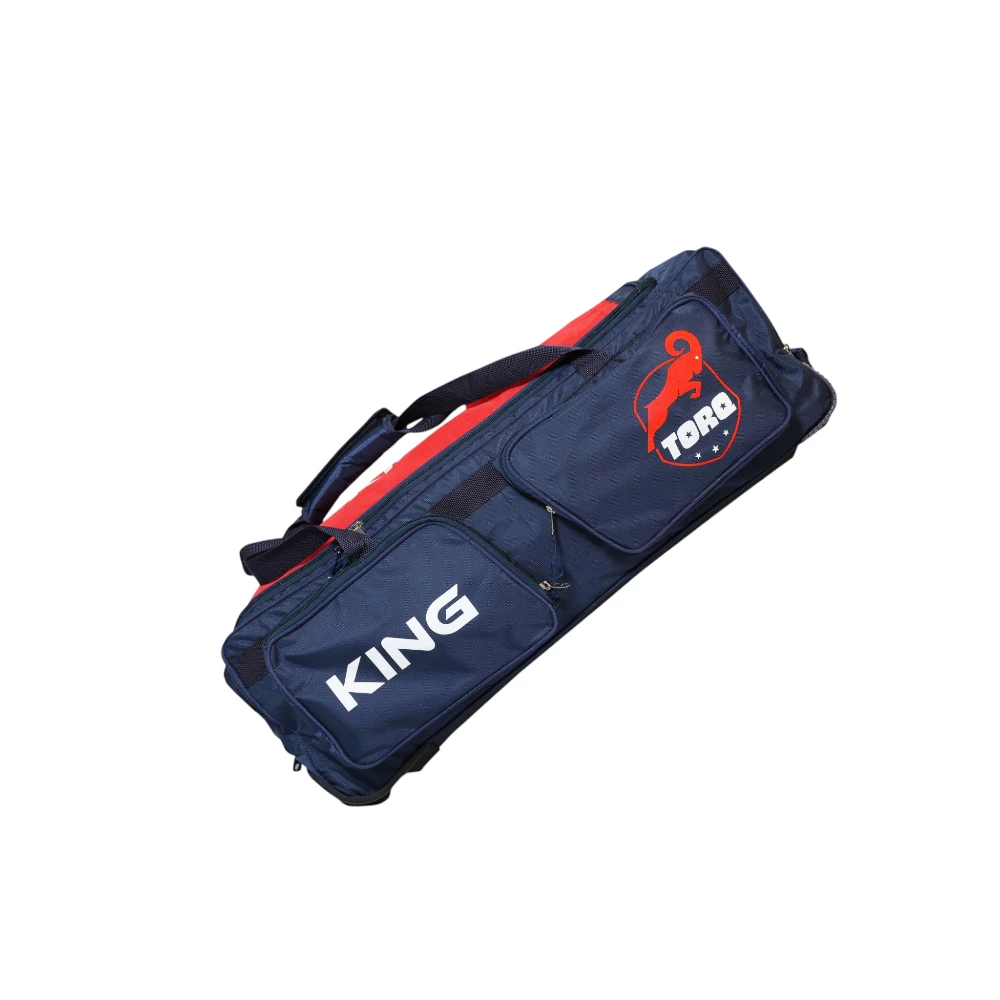
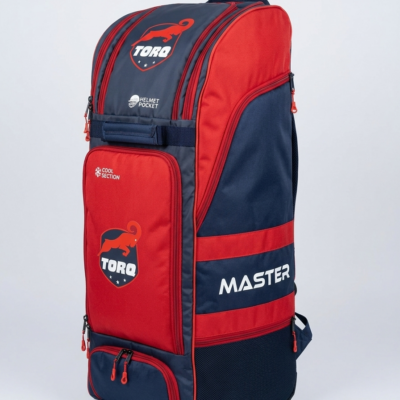
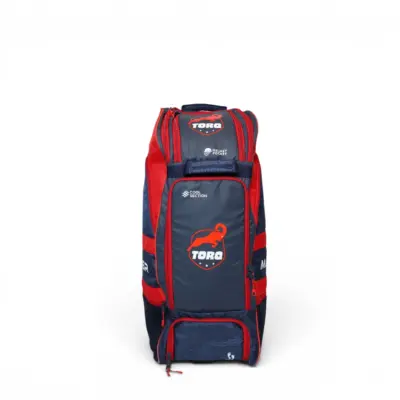
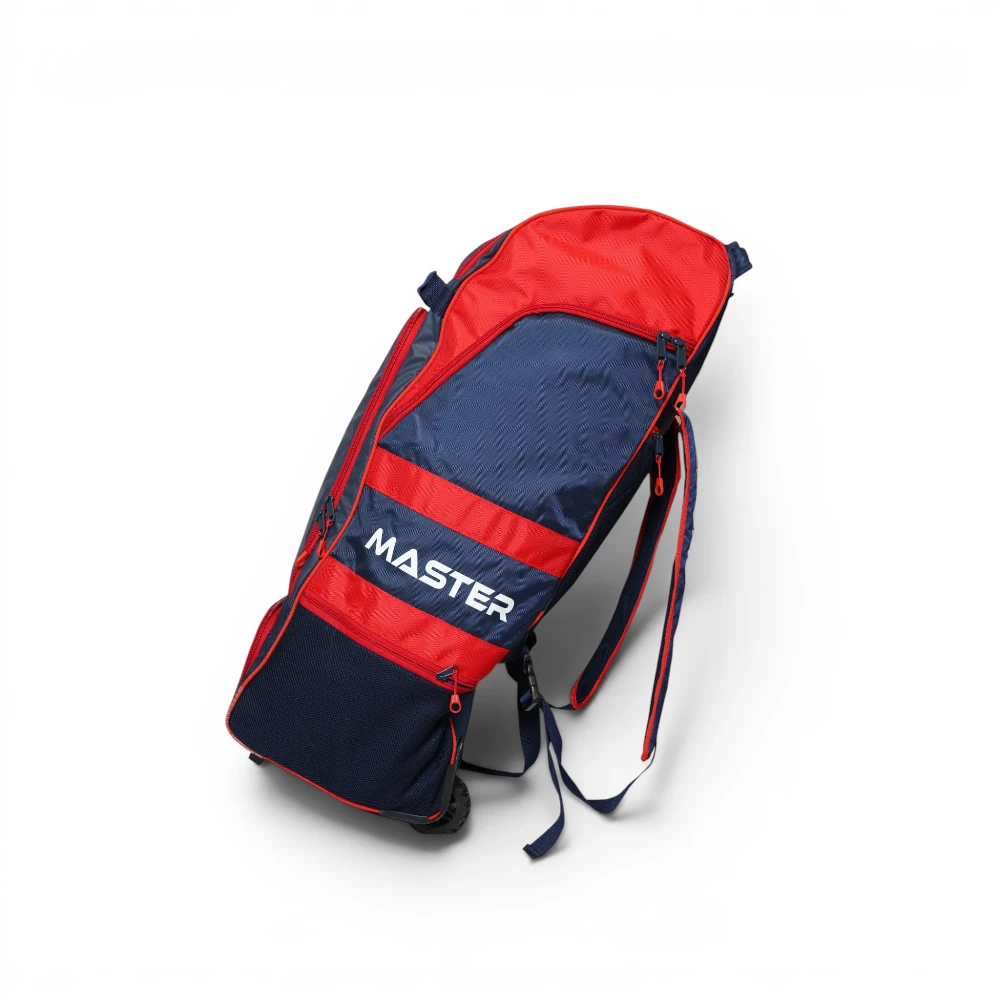
The Dedicated Kit Bag Approach: A cricket kit bag should be bought purely as a high-durability transit and storage vessel to protect high-value, individually selected equipment.
The TORQ Advantage: Hand-selecting each piece of protective gear and pairing it with a hand-selected English willow blade ensures customised ergonomics, maximum ping, and superior long-term performance on the pitch.
Introduction
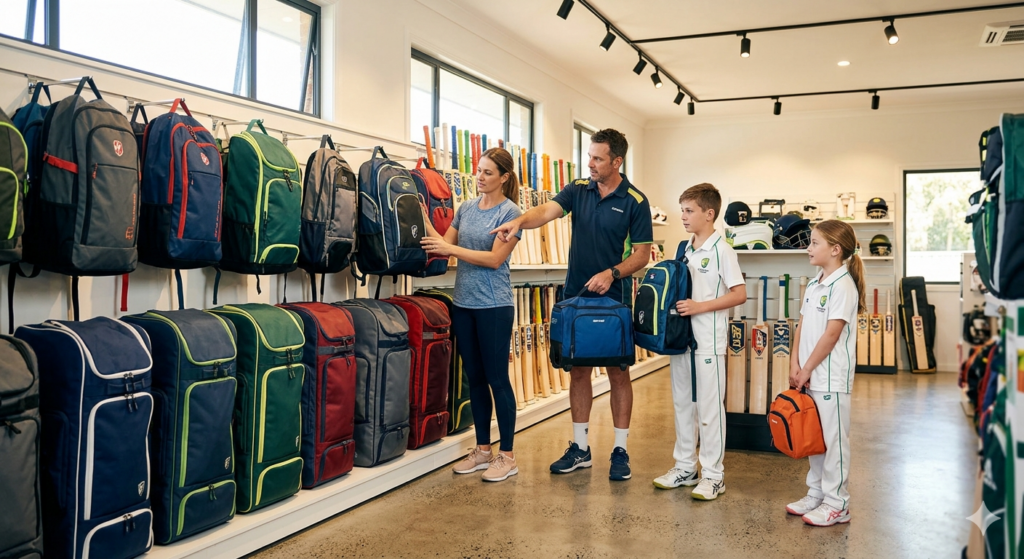
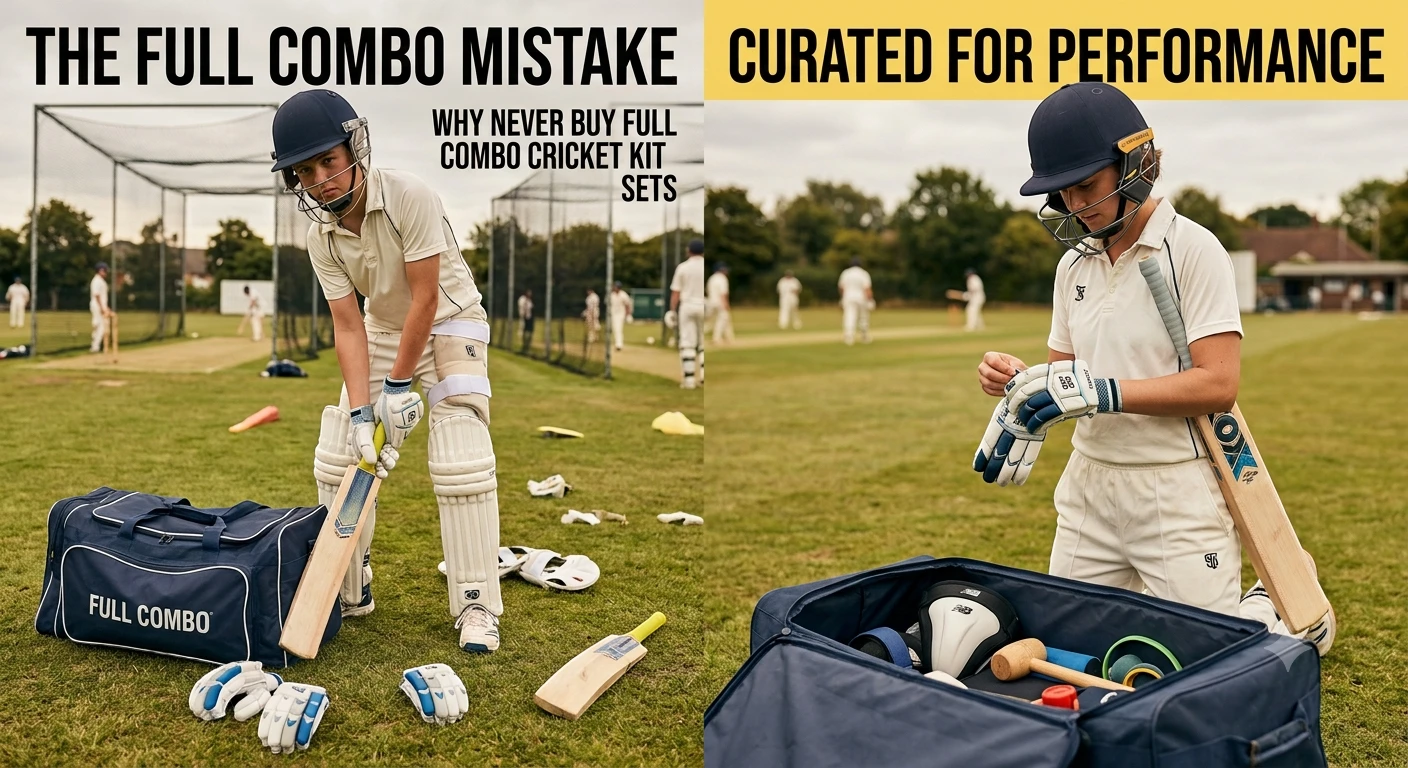
Walk into any sports store or browse online cricket retailers, and you will inevitably encounter tempting all-in-one cricket combo kit sets. For beginners, academy juniors, or parents looking to avoid the hassle of selecting multiple items individually, these bundled sets, containing a bat, pads, gloves, helmet, and bag—appear to be the ultimate stress-free solution.
However, behind the attractive price tag lies a significant performance trap. Standardized combo kit sets force major compromises on equipment quality, protective integrity, and physical fit. When stepping up to face high-velocity bowling, carrying generic, ill-fitting gear not only hinders shot-making but actively increases the risk of injury.
1. The One-Size-Fits-None Sizing Discrepancy
The most critical flaw of pre-packaged combo kits is their rigid approach to sizing. Players rarely fit into a single size category across all protective gear:
A batsman may require Large Adult batting gloves due to finger length, but Medium Adult leg guards based on kneecap-to-instep measurements.
An academy player might need a lighter Harrow or Size 6 bat for proper pickup speed, while possessing the height for full-sized Boys pads.
When forced into a bundled set, players inevitably end up with at least one piece of gear that pinches, shifts, or fails to protect key impact zones.
2. Where Manufacturers Cut Corners
To maintain a low bundled price point, manufacturers routinely downgrade the individual components packed into combo bags:
The Bat: Combo kit bats are frequently crafted from low-grade Kashmir willow or heavy, unpressed timber that lacks responsiveness and sweet-spot ping.
Batting Gloves: Synthetic leather palms in bundled gloves lack breathability, stiffen quickly, and provide minimal shock absorption against finger impact.
Leg Guards: Traditional low-density cane or cheap foam used in combo pads adds unnecessary bulk and weight without providing adequate high-impact protection.
3. Why Your Kit Bag Should Be Bought Just as a Bag
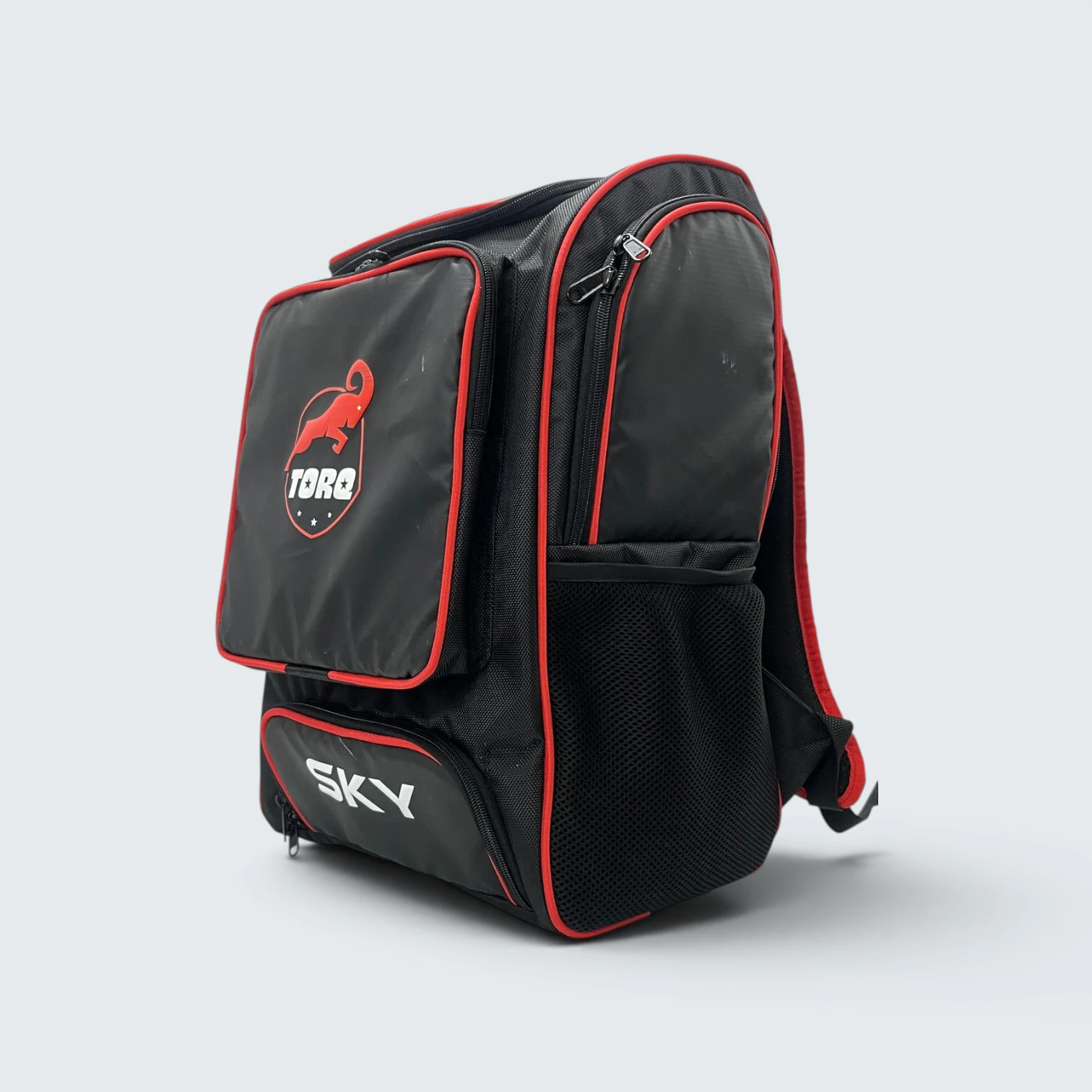
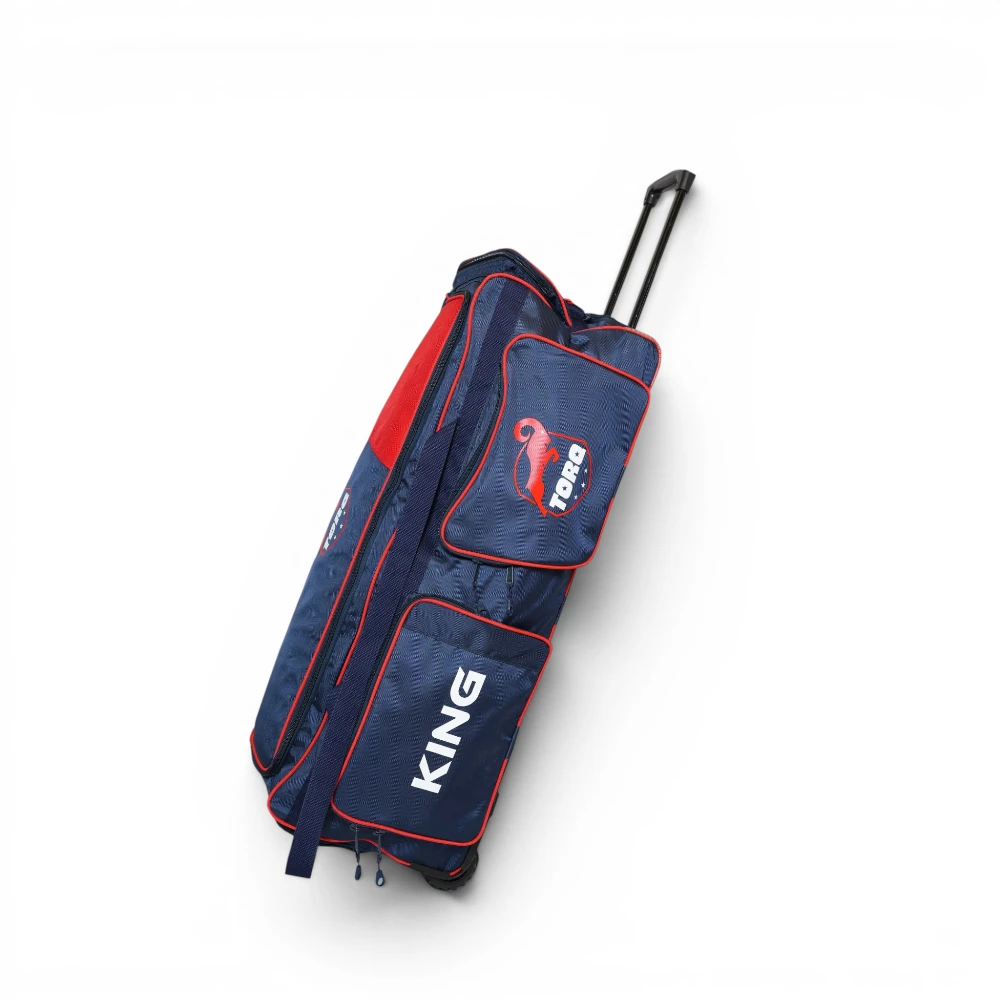
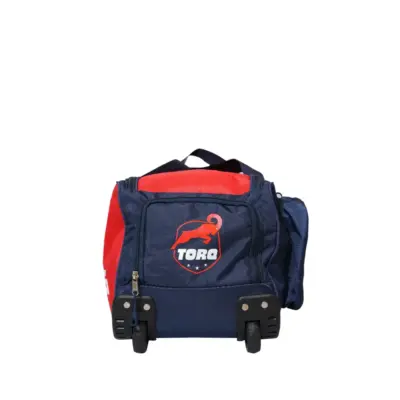
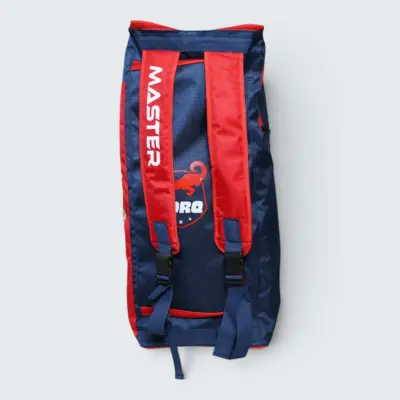
A high-quality cricket kit bag serves a dedicated purpose: transit and storage protection. High-tier duffle or wheelie kit bags are engineered with heavy-duty fabrics, reinforced zippers, ventilated shoe compartments, and padded bat sleeves designed to safeguard individual gear from moisture and structural damage.
When you purchase a kit bag purely as a standalone carrier, you gain the freedom to build a customized equipment setup that matches your exact physical profile, playing style, and budget allocation.
The Smart Alternative: Custom Gear Selection Matrix
| Gear Component | Why Buy Individually? | What to Look For |
| Cricket Bat | Ensures ideal pickup, handle balance, and sweet-spot ping. | Hand-selected English willow with custom pressing. |
| Batting Gloves | Matches exact hand ergonomics and grip style. | Premium Pittards or calfskin leather palms with split-finger flexibility. |
| Leg Guards | Correct kneecap-to-instep measurement for mobility. | Lightweight high-density moulded foam or hybrid cane-foam protection. |
| Kit Bag | Provides heavy-duty, climate-safe storage. | Dedicated bat sleeves, ventilated footwear zones, and rugged zippers. |
“A cricketer’s equipment is an extension of their technique. Bundling protection into generic ‘combo sets’ forces players to adapt their bodies to the gear, rather than having the gear adapt to their body. Selecting individual pieces guarantees uncompromised protection, correct ergonomics, and peak performance at the crease.”
— Mr. Kaushal Jagtap, Cricket Coach, Pune
Conclusion: Elevating Your Gear Strategy
While combo kit sets offer short-term buying convenience, they ultimately compromise safety, longevity, and performance. Investing in a high-capacity standalone kit bag and building your setup piece-by-piece ensures that every item in your bag fits precisely, feels comfortable, and performs under pressure.
By pairing hand-selected protective gear with a precision-crafted TORQ English willow bat, you equip yourself with a tailored setup designed to handle high-level competition.
FAQs: Frequently Asked Questions
While combo kits are often targeted at beginners, buying individual entry-level items is still preferable. Young players develop technique faster when wielding a bat tailored to their physical strength and wearing pads that do not hinder running between wickets.
Not necessarily. While the initial outlay can be slightly higher, individual equipment lasts longer because you aren’t forced to replace sub-par components prematurely. You can also allocate more of your budget toward high-priority safety gear like a helmet and bat, while opting for value options on items like thigh guards.
Look for heavy-duty denier fabric, reinforced stitching around carry handles or straps, smooth heavy-duty zippers, dedicated bat compartments, and ventilated sections for shoes and damp gloves to prevent moisture rot.