
Mastering a structured Cricket Match Day Routine is the ultimate secret to elevating your performance from average to elite. While mid-week technical practice sharpens your skills, your game-day physical and mental preparation dictates whether you step onto the pitch fully energized or sluggish. By aligning your pre-match fueling, dynamic warm-ups, and in-game focus, you ensure that every ball is played at your absolute peak potential.
Key Takeaways
The Night-Before Match: Securing 8–9 hours of sleep and hydrating deeply the night before a game establishes the neurological baseline needed for fast reaction times and physical stamina.
Fueling Timelines: Strategic nutrition requires a high-carbohydrate, low-fat meal 3–4 hours before play, followed by quick-digesting energy options like bananas or dates 60 minutes prior to stepping onto the field.
Dynamic Priming: An effective warm-up must blend mobility work, sprint acceleration, throwing progressions, and 10–15 minutes of sport-specific batting or bowling preparation to prevent acute injury.
In-Game Lock-In: Staying focused throughout long innings relies on constant micro-hydration every 15–20 minutes and mental reset cues after every delivery.
The 30-Minute Recovery Window: Ingesting 25–30g of protein alongside complex carbohydrates within 30 minutes post-match accelerates muscle tissue repair and restores glycogen stores.
Introduction
Walk into any professional changing room on match day morning, and you will immediately notice that elite performance is never left to chance. Typically, amateur cricketers focus heavily on technical net practice during the week, yet completely neglect their physical and mental protocols on game day. Consequently, they step onto the crease feeling sluggish, experience mid-afternoon cramping, or drop focus during critical moments in the field.
In modern, high-intensity cricket—where matches can span multiple hours under harsh conditions—your body is your most vital piece of equipment. Therefore, to ensure that your technique is backed by optimal energy and sharp mental acuity, you must follow a disciplined game-day blueprint.
Here is the complete step-by-step breakdown of the Cricketer’s Match Day Cheat Sheet, designed to help you perform at your peak from the first delivery to the final ball, and recover rapidly for your next fixture.
1. The Foundation: Night-Before Preparation
Long before the umpire calls “Play,” your match day performance is already being determined in the hours leading up to bedtime.
8–9 Hours of Sleep: Sleep is undeniably the ultimate performance enhancer. During deep sleep cycles, your brain consolidates muscle memory and releases growth hormone to repair micro-tears in muscular tissue. Therefore, aiming for a full 8 to 9 hours ensures peak visual tracking and rapid physical reaction times against fast bowling.
Hydrate Well: Dehydration severely impairs cognitive function and physical power output. Consequently, drinking steady amounts of water the evening before ensures cellular fluid balance, preventing muscle cramps during long spells under the sun.
No Alcohol: Alcohol disrupts REM sleep quality, elevates resting heart rate, and causes acute dehydration. As a result, avoiding alcohol completely the night before guarantees that you wake up fully restored.
2. Pre-Match Fueling: 3 to 4 Hours Before
As you transition into match day morning, your primary objective shifts to topping up glycogen reserves without causing digestive distress.
High-Carb Meal: Carbohydrates are your body’s primary fuel source for high-intensity sprinting and explosive strokeplay. Choose complex sources such as oatmeal, rice, or whole-grain pasta to provide sustained energy release.
Moderate Protein: Incorporate lean protein sources (such as eggs, grilled chicken, or yogurt) to support muscle stabilization throughout the day.
Low Fat & Low Fibre: Crucially, fats and dietary fiber digest slowly in the stomach. Avoiding heavy, greasy, or high-fiber foods prevents gastrointestinal discomfort and bloating during your warm-ups.
3. Immediate Pre-Game Priming: 60 Minutes Before
With one hour remaining until the toss, your focus narrows to immediate neural activation and rapid-release energy.
Banana or Dates: Simple, natural sugars offer fast-acting carbohydrates that elevate blood glucose levels without spiking insulin excessively.
300–500 mL Water: Drink a controlled volume of water to ensure your fluid levels are fully optimized right before stepping out onto the field.
Coffee (Optional): A small dose of caffeine roughly 45–60 minutes before the match can increase alertness, reduce perceived exertion, and sharpen hand-eye coordination. However, ensure you do not over-consume caffeine to avoid jitters or elevated anxiety.
4. The Strategic Warm-Up Protocol
A generic, static stretch is entirely insufficient for the explosive demands of modern cricket. Instead, your warm-up should follow a structured progression:
Dynamic Mobility: Perform active range-of-motion drills—such as leg swings, lunge twists, and arm circles—to lubricate joints and warm up core connective tissue.
Sprint Drills: Incorporate short, high-velocity acceleration efforts, directional cuts, and deceleration stops to prepare your neuromuscular system for running between wickets or chasing balls to the boundary.
Throwing Progressions: Build up shoulder velocity gradually with short-to-long throwing drills, ensuring the rotator cuff muscles are warm before firing high-velocity throws from the outfield.
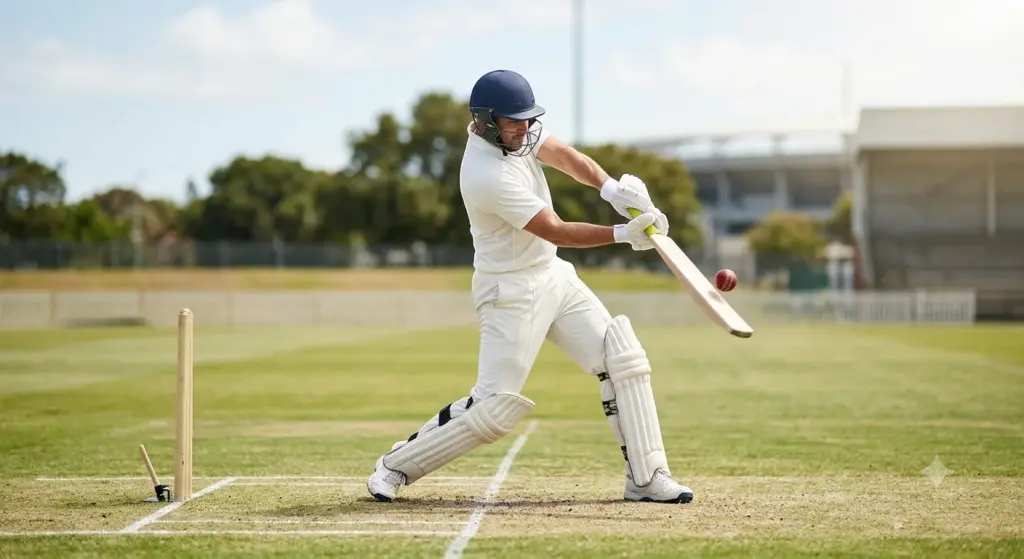
10–15 Minutes Batting/Bowling Prep: Finish with sports-specific touch drills. Bowlers should execute short-run looseners to establish rhythm, while batsmen should take high-volume throw-downs to calibrate timing against the ball.
5. In-Game Management: During the Match
Maintaining peak physical and mental output across multiple hours requires continuous maintenance during play.
Sip Water Every 15–20 Minutes: Do not wait until you feel thirsty to drink. Taking small, consistent sips during over-changes or fall of wickets keeps core body temperature down and prevents performance slumps.
Electrolytes if It’s Hot: When playing under high heat and humidity, sweating drains essential sodium, potassium, and magnesium. Incorporating electrolyte powders into your water helps sustain muscle contraction efficiency and prevents severe cramping.
Small Carb Snacks Between Innings: Keep quick energy options—such as energy gels, banana slices, or small cereal bars—in your kit bag to replenish depleted energy stores between innings.
6. Psychological Dominance: Stay Locked In
Physical preparation is only half the battle; maintaining mental clarity under pressure is what separates elite match-winners from average players.
One Ball at a Time: Avoid carrying the emotional weight of a missed shot or a misfield into the next moment. Treat every single ball as an independent event.
Control the Controllables: Factors such as weather, poor pitch conditions, or tough umpiring decisions are outside your influence. Direct your energy strictly toward your posture, intensity, and tactical execution.
Reset After Every Delivery: Establish a personal trigger to reset your focus. Whether it is tapping your bat, adjusting your gloves, or stepping out of the crease to take a breath, develop a repeatable habit that signals your brain to return to absolute calm before the next ball is bowled.
7. The Anabolic Window: Within 30 Minutes After
Once the match concludes, the recovery phase begins immediately. The choices you make in the first half-hour set the pace for your physical rebuilding.
25–30g Protein: Consume a high-quality protein shake, lean meat meal, or dairy recovery drink to kickstart muscle protein synthesis and repair damaged tissue.
Carbs to Refuel: Pair your protein with easily digestible carbohydrates (such as fruit, rice cakes, or a recovery blend) to rapidly restock depleted muscle glycogen stores.
Rehydrate: Drink fluid continuously to replace any water weight lost through sweat during the match.
8. Complete Recovery: Evening Protocols
To complete the match day cycle and ensure long-term durability over a long playing season, prioritize systemic rest.
Light Walk: A short 10-minute active recovery walk helps flush metabolic waste products and lactic acid from your legs.
Gentle Stretching: Perform light, static stretches targeting the hamstrings, lower back, calves, and shoulders to relieve muscular tightness developed during play.
Sleep is Your Best Recovery Tool: Ultimately, no massage gun, cold bath, or supplement can replace the regenerative power of deep sleep. Go to bed early after match day to give your body the ultimate environment to rebuild stronger.
“Elite performance on match day is not an accidental occurrence; rather, it is the direct byproduct of intentional preparation and recovery protocols. When you treat your body with the same reverence as your custom willow blade, fueling it precisely, warming it dynamically, and recovering thoroughly, you step onto the field with an unbeatable physical advantage.”
— Dr Yashwant (SNC Coach, New Delhi)
Conclusion
Ultimately, mastering your match day execution requires consistency, discipline, and attention to detail. By implementing this comprehensive checklist—starting from the sleep you get the night before to the post-match recovery shake in the changing room—you eliminate physical variables that hold back your true talent. Combine these structured habits with high-performance TORQ equipment, and you will step onto the pitch fully prepared to dominate every inning.
Frequently Asked Questions (FAQs)
Feeling heavy usually indicates that your pre-match meal contained too much fat or dietary fiber, or was consumed too close to play. Stick to light, simple carbohydrates (such as a banana or white toast with jam) 60–90 minutes before your innings, and ensure you remain upright and active during your warm-up to stimulate digestion.
While high-sugar energy drinks provide a rapid spike in alertness, they frequently lead to an equally sharp sugar crash shortly after. Instead, opt for clean electrolyte solutions paired with natural, complex carbohydrate snacks to maintain steady, long-lasting energy levels across the day.
For back-to-back fixtures, prioritize the 30-minute post-match window immediately. Ingest 25–30g of protein and dense carbohydrates right after the game, take a cool shower, wear compression garments if available, perform light static stretching, and aim for 9 full hours of sleep.
Caffeine can significantly enhance reaction speed and focus if used correctly. A single cup of coffee 45–60 minutes prior to play can be highly beneficial. However, excessive caffeine can lead to dehydration and jitters, so test your tolerance during training nets before using it on match days.
Torq | King Premium Duffle Cricket Kit Bag | Senior
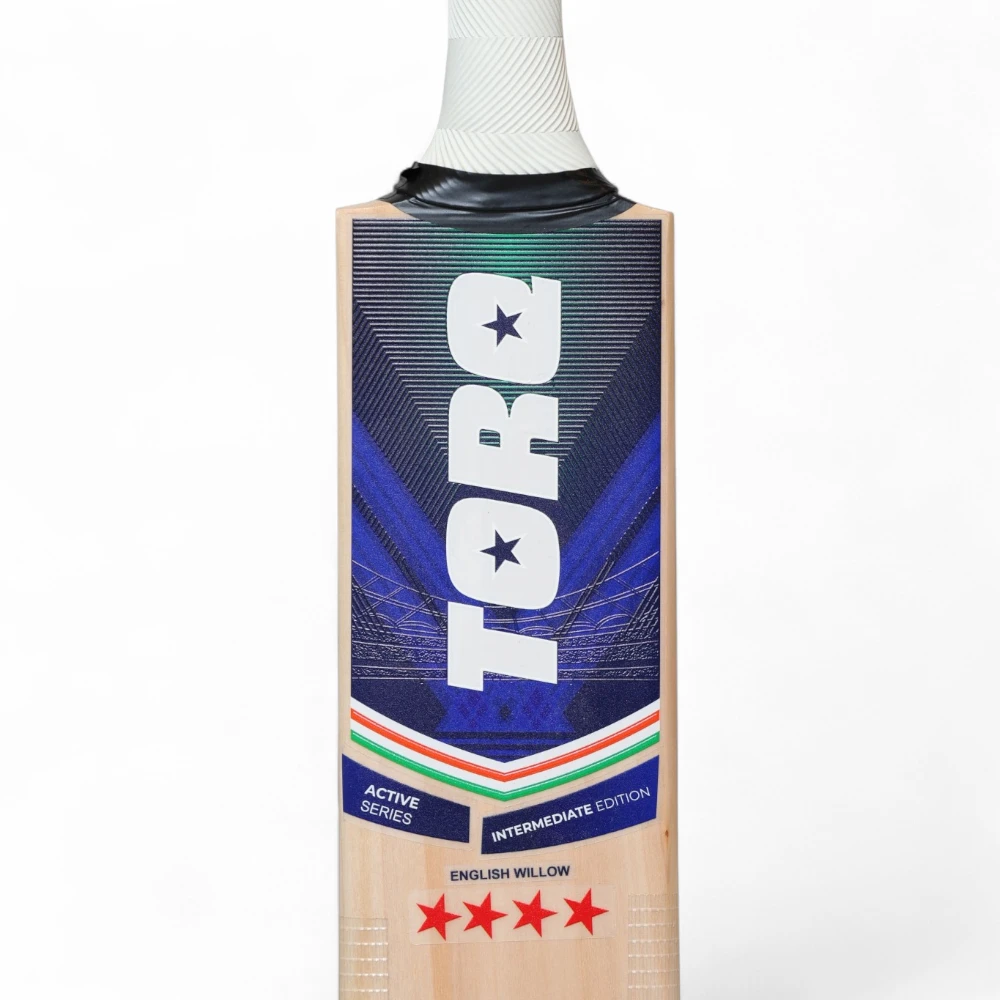
Rated 5.00 out of 5₹7,399.00₹6,660.00 Add to cartTorq | Active Series | Intermediate Edition | English Willow | 4* | Cricket Bat
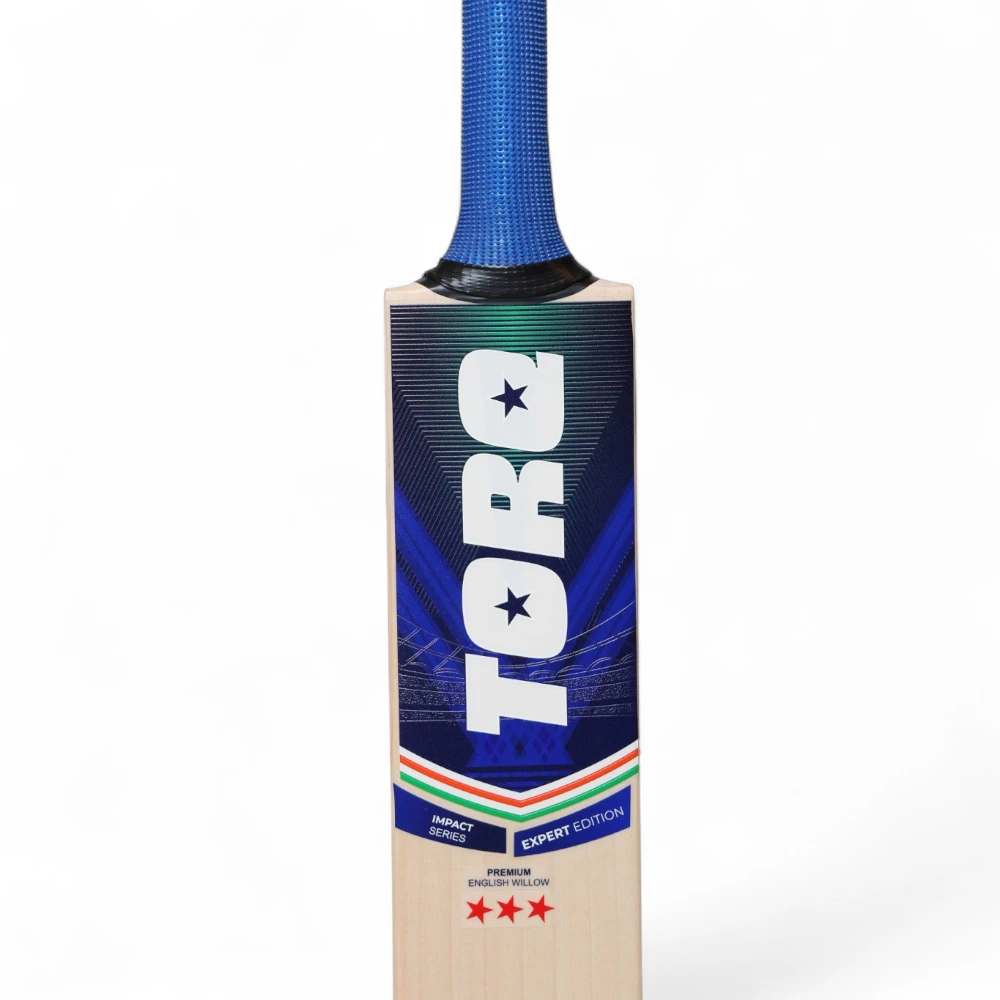
Rated 5.00 out of 5₹12,082.00₹10,999.00 Select optionsTorq | Impact Series | Expert Edition | Premium English Willow | 3* | Cricket Bat
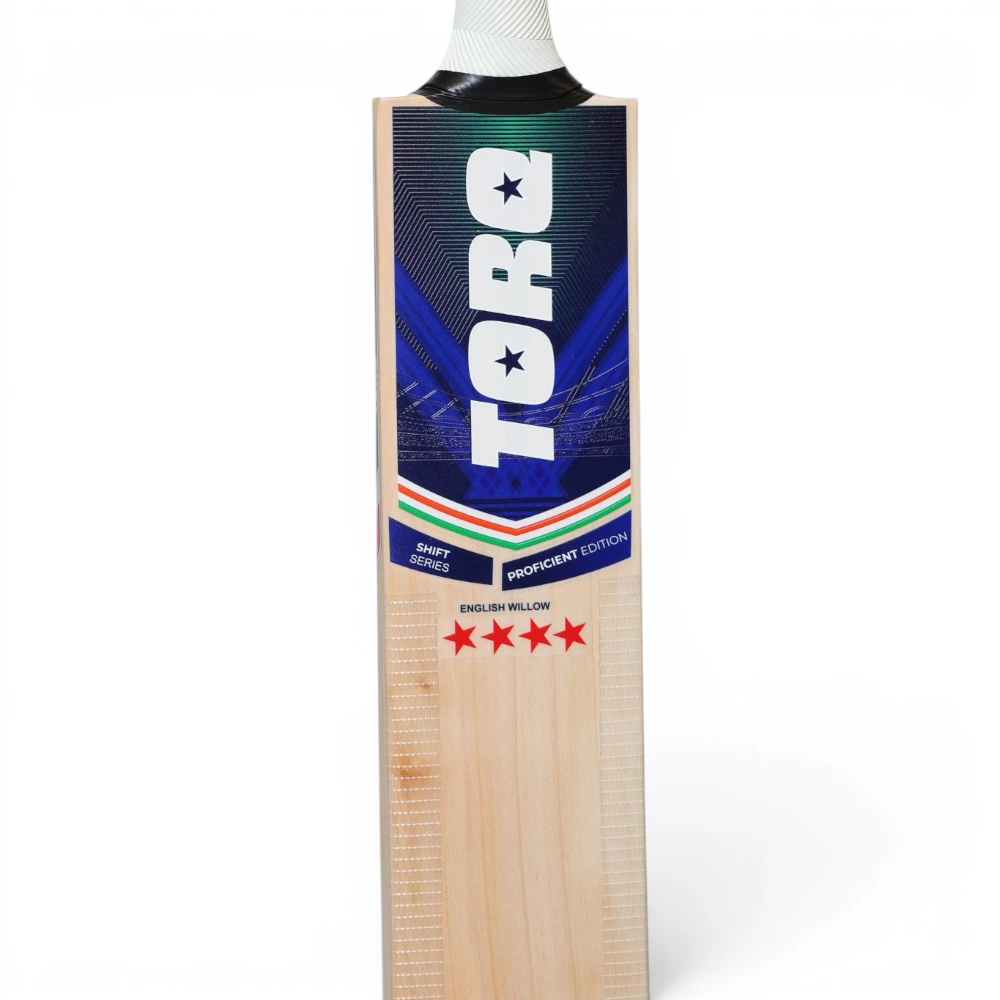
Rated 5.00 out of 5₹42,959.00₹38,599.00 Select optionsTorq | Shift Series | Proficient Edition | English Willow | 4* | Cricket Bat
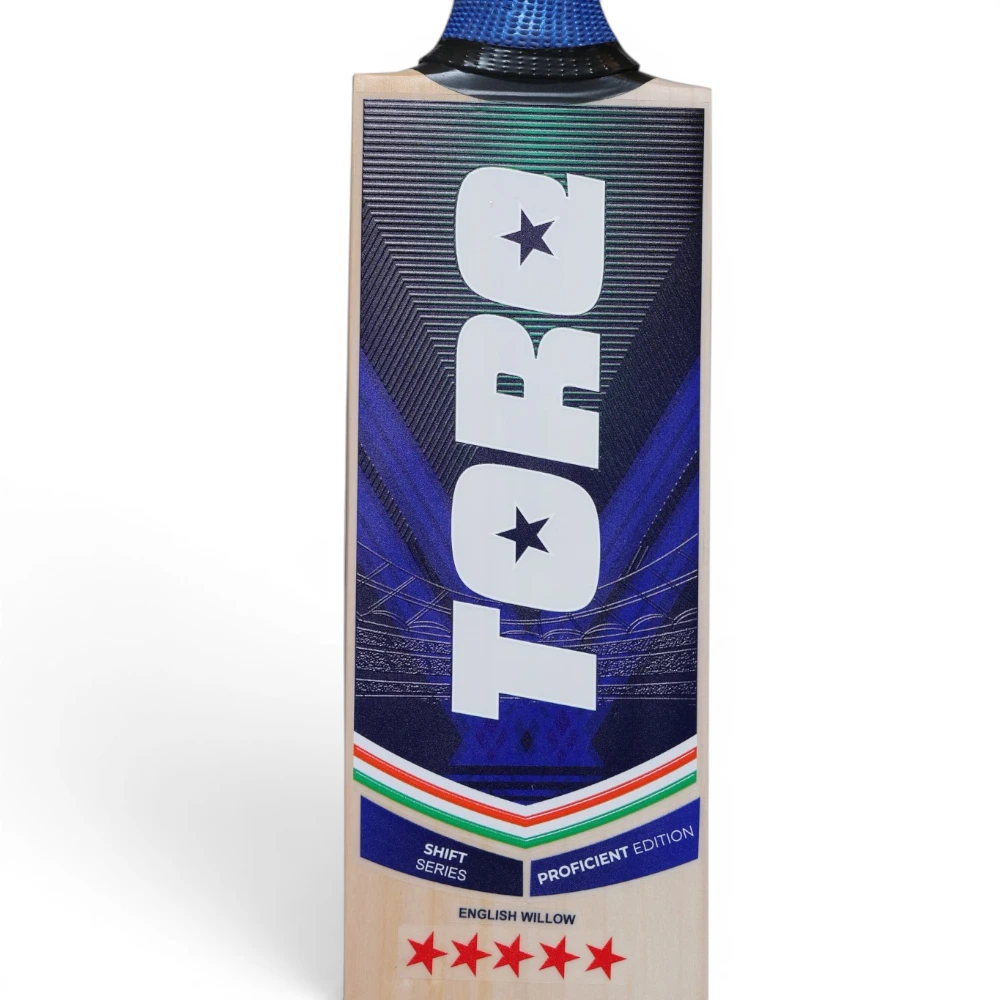
₹23,780.00₹21,499.00 Select optionsTorq | Shift Series | Proficient Edition | English Willow | 5* | Cricket Bat
Rated 5.00 out of 5₹23,974.00₹21,599.00 Select options