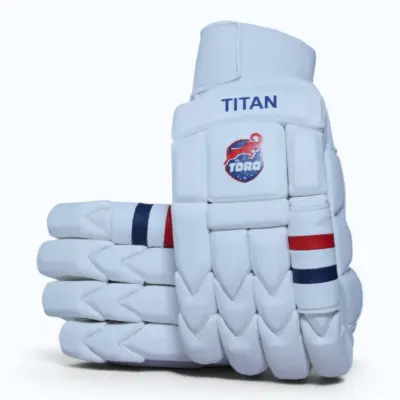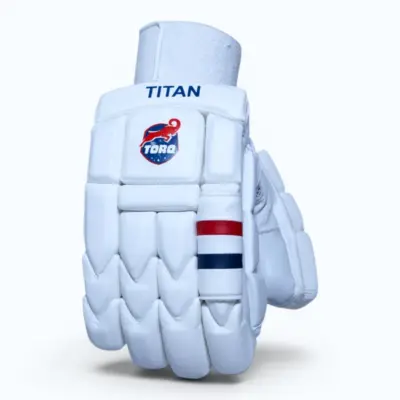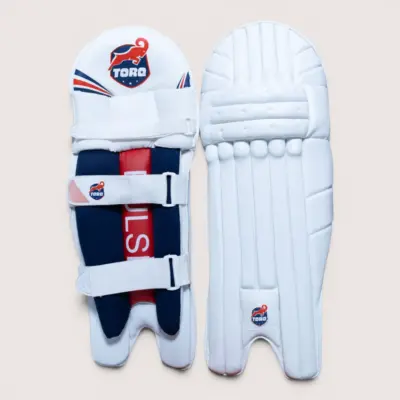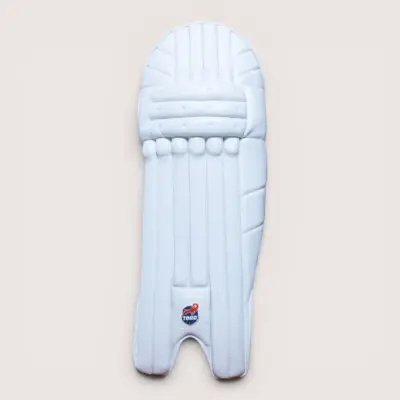
Proper cricket equipment maintenance is the secret to extending the lifespan and performance of your favorite gear. By giving your bat, gloves, and pads the care they need after every match, you protect your investment and stay field-ready all season long.
Key Takeaways
Prevention Over Replacement: Proper post-match care and storage significantly extend the lifespan of high-performance English willow, leather batting gloves, pads, and kit bags.
Moisture Management is Critical: Moisture is the primary enemy of cricket equipment—excess sweat rots glove leather and degrades foam, whereas trapped dampness warps bats and induces structural rot.
Proactive Bat Care: Disciplined oiling, regular knocking-in maintenance, and toe guard protection keep your willow’s sweet spot performing at peak ping without premature cracking.
The TORQ Advantage: Investing in premium-built equipment crafted with high-density materials and reinforced stitching ensures your gear withstands intense seasonal play when paired with routine care.
Introduction: Cricket Equipment Maintenance
Cricket equipment is a significant investment. Whether you are an academy junior building your core kit or a seasoned league player wielding a custom-pressed English willow blade, your equipment is essential to your performance on the crease. However, far too many players make the costly mistake of tossing damp, sweat-soaked gear into a dark, unzipped kit bag after a match and forgetting about it until the next session.
Consequently, leather palm gloves harden and crack, high-density pad straps lose elasticity, and premium cricket bats dry out, leading to toe cracks or dead sweet spots. Extending the lifespan of your cricket gear does not require hours of complex labour; rather, it demands consistent, smart habits. By following a few simple cricket equipment maintenance protocols, you can preserve the structural integrity, comfort, and elite performance of your gear for seasons to come.
1. Master Willow Maintenance: Protecting Your Bat
Your cricket bat is the centrepiece of your gear, requiring the most precise care to maintain its structural resilience and explosive rebound.
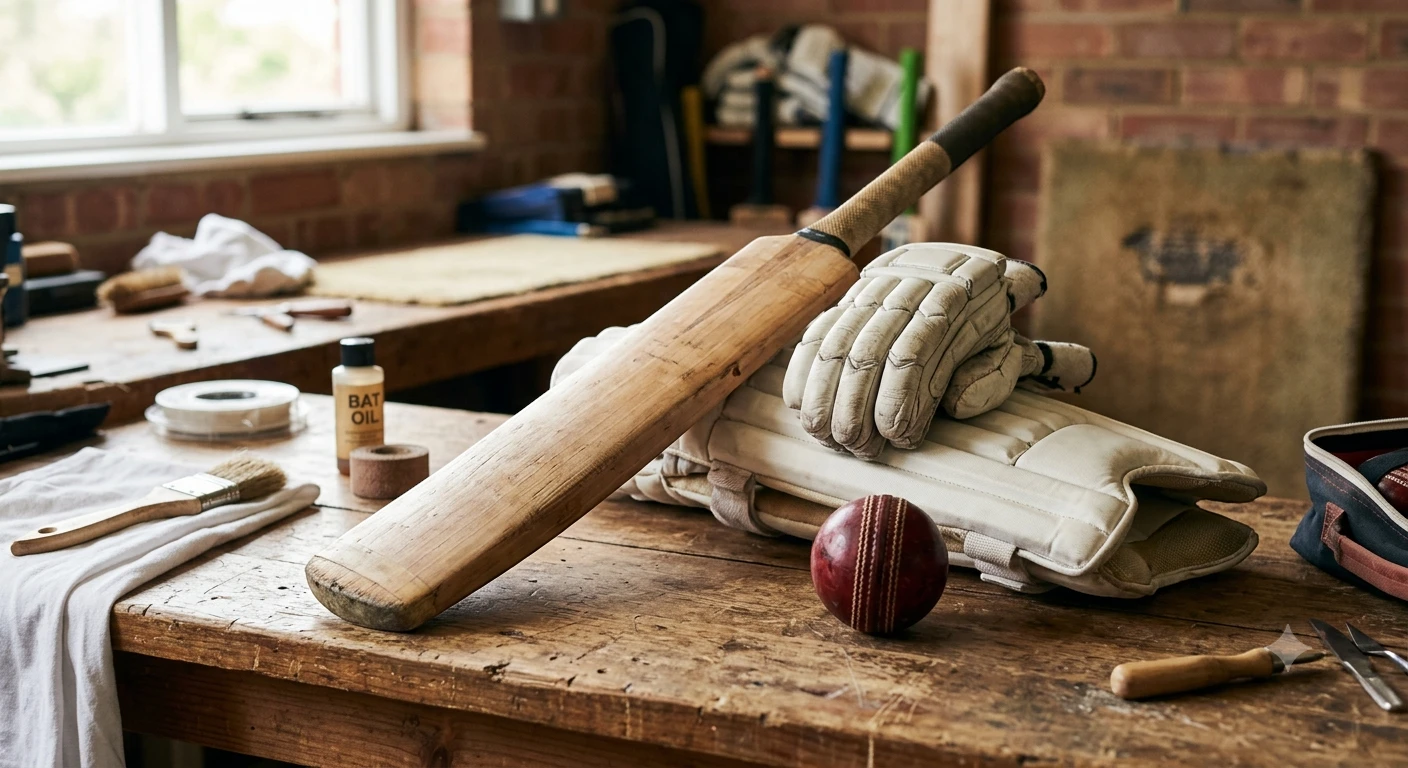
Controlled Oiling: Apply 2–3 light drops of raw linseed oil to the blade, avoiding the splice and handle. Oiling preserves the natural moisture balance of the willow fibers, preventing brittle surface cracking.
Toe & Face Protection: Install a clear scuff sheet and a fitted rubber toe guard. The toe of the bat absorbs ground impact and damp turf moisture; sealing it prevents waterlogging and toe splitting.
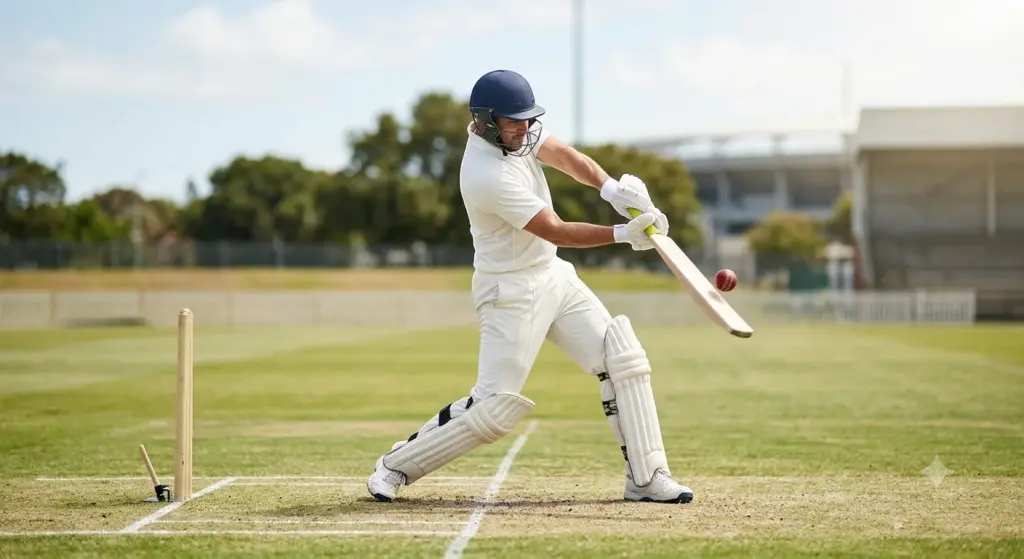
Routine Knocking-In Maintenance: Even after your bat is fully broken in, re-compressing impression marks with a hardwood bat mallet during the season keeps the sweet spot dense and responsive.
Avoid Direct Sun & Heat Storage: Never leave your bat inside the trunk of a hot car or near room heaters. Extreme heat dries out natural oils, warping the wood and deadening the ping.
2. Preserve Leather & Palms: Batting Gloves Care
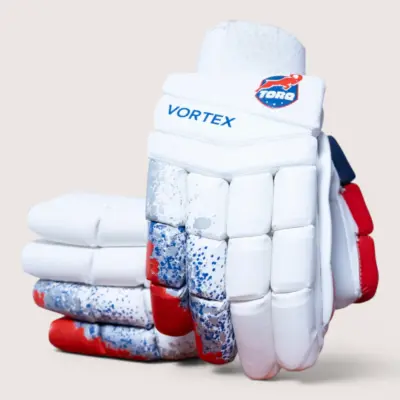
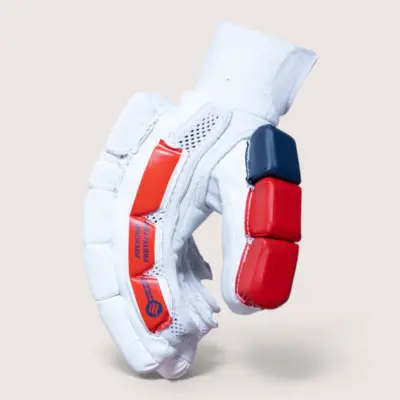
Batting gloves endure heavy sweat, salt buildup, and high friction. Proper ventilation is crucial to keeping palm leather soft and supple.
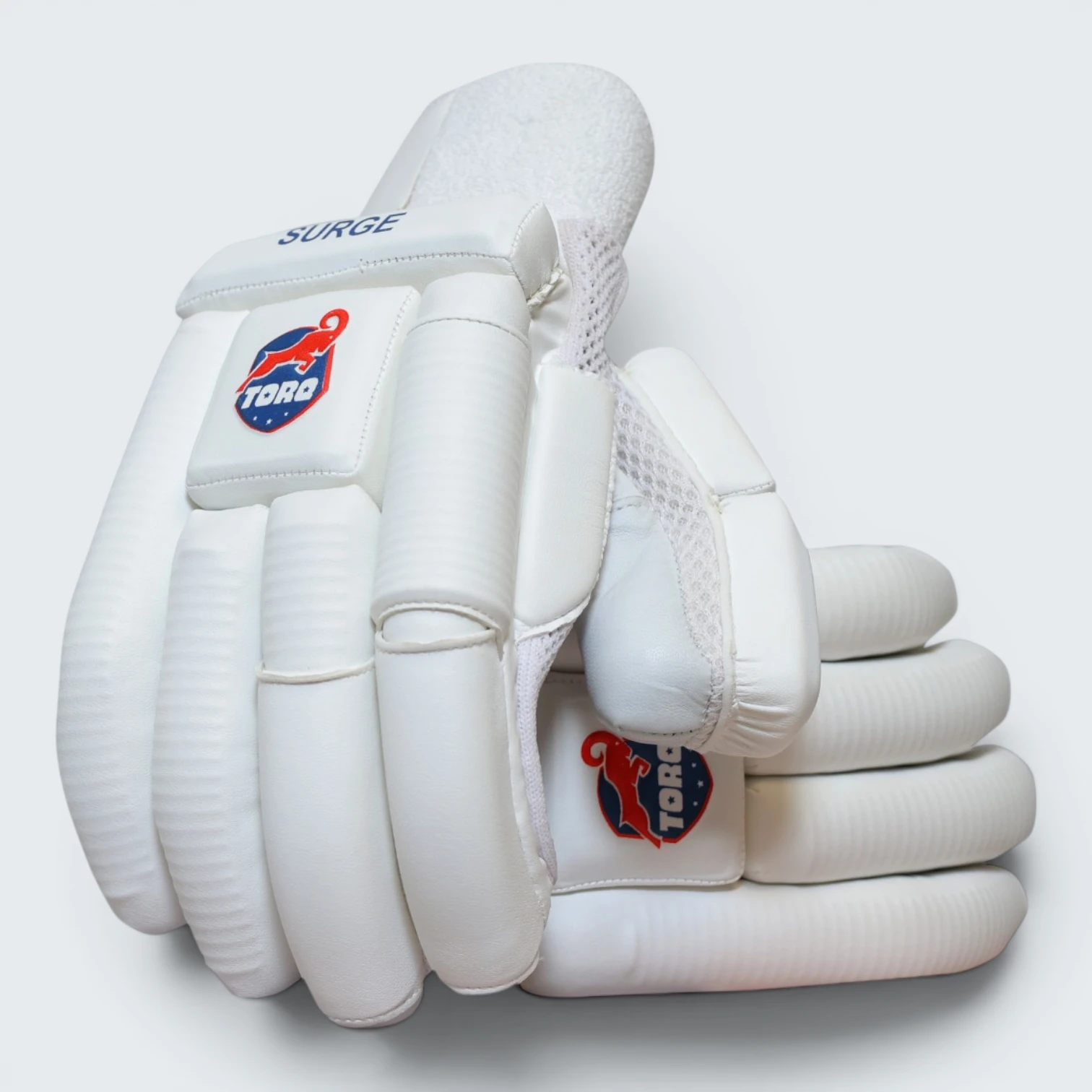
Air-Dry Immediately: Never leave wet gloves packed inside a dark kit bag. Air-dry them naturally at room temperature in a well-ventilated space, away from direct sunlight.
Salt Management: Gently brush the leather palms with a clean, dry towel after play to remove excess salt from sweat, which otherwise causes the leather to dry out, stiffen, and crack.
Use Glove Liners: Wearing lightweight inner gloves absorbs sweat before it reaches the main leather palm, doubling the lifespan of your outer batting gloves.
3. Maintain Padding & Soft Goods: Leg Guards and Protection
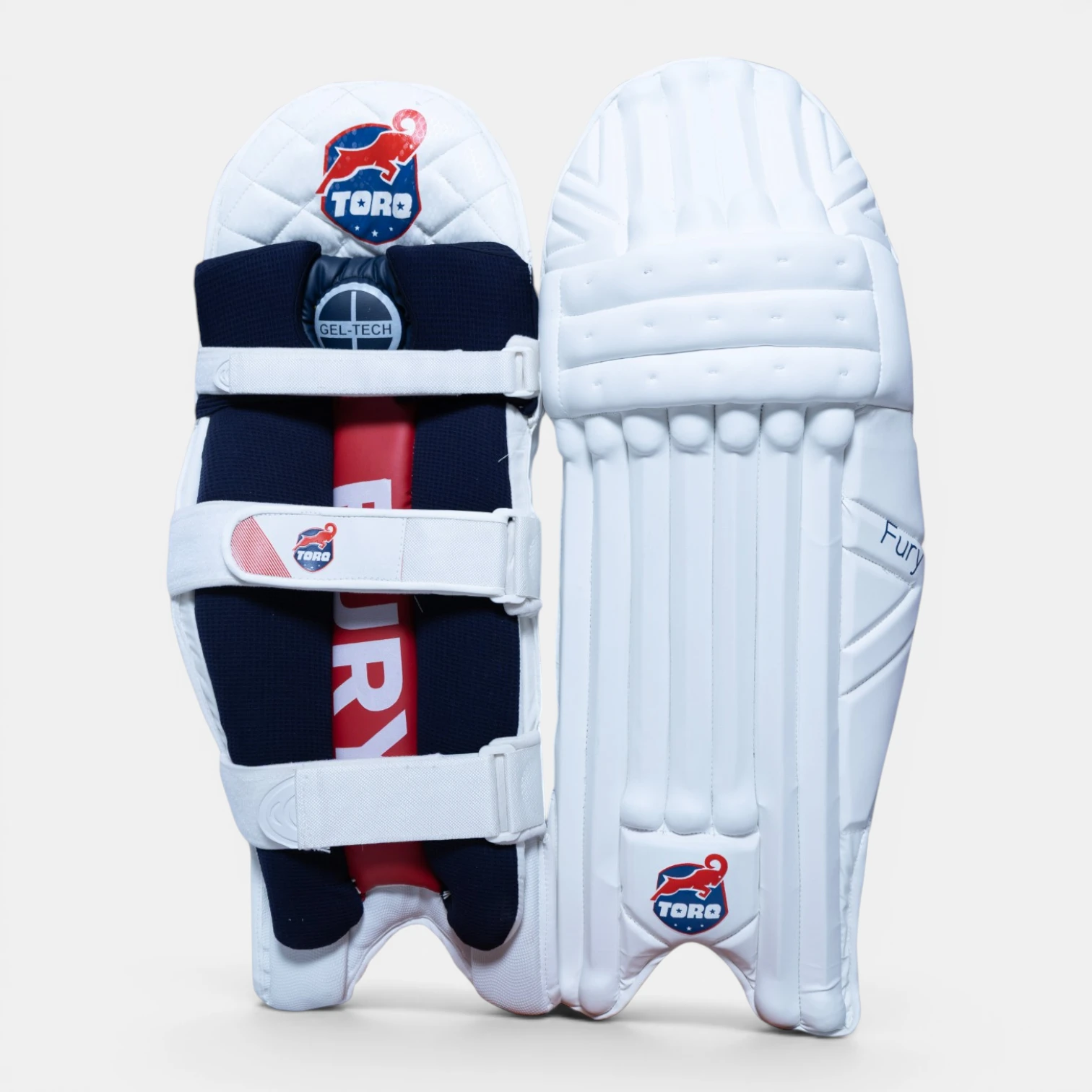
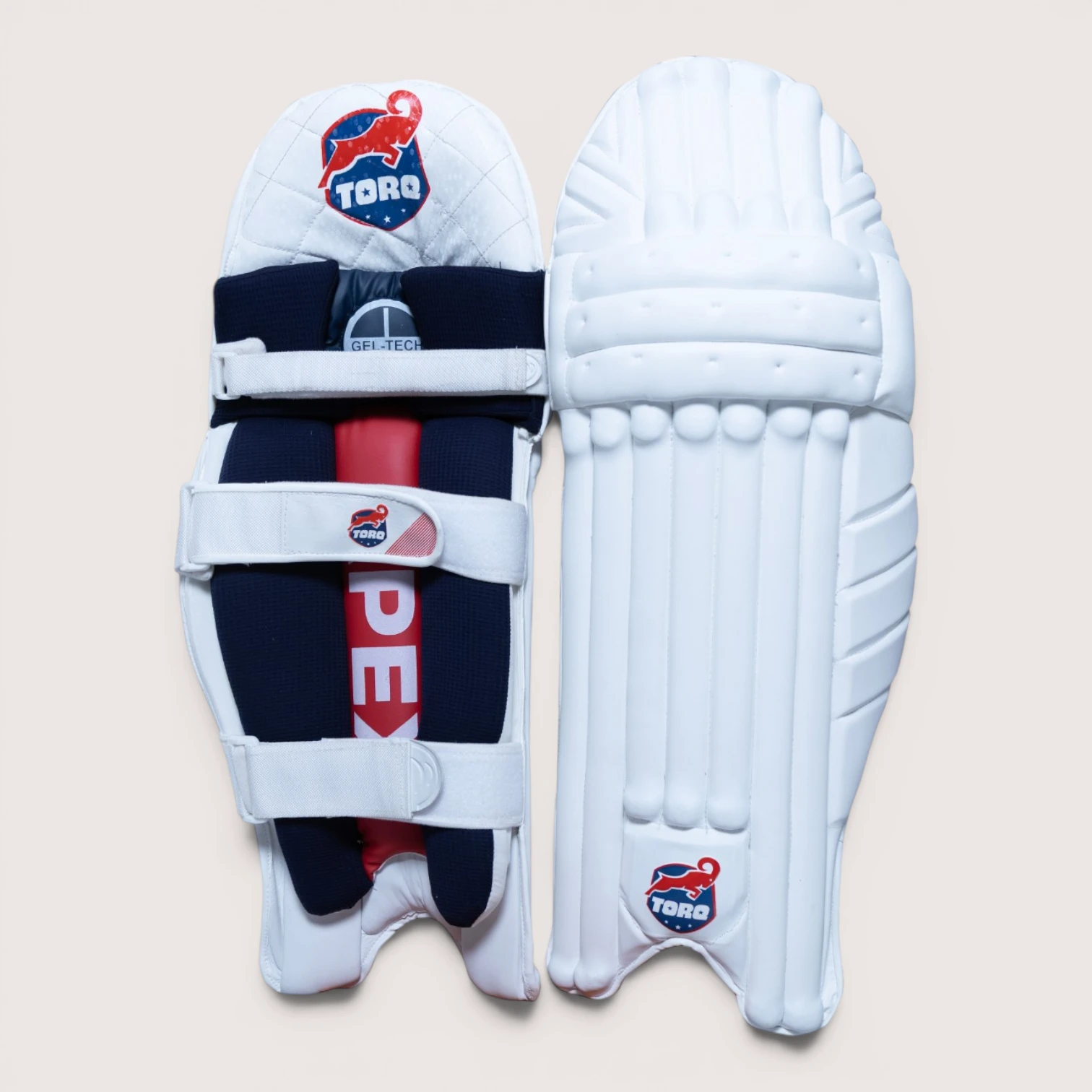
Batting pads and thigh guards protect you against high-velocity ball impacts, but sweat buildup degrades shock-absorbing foam and velcro over time.
Wipe Down Facing Materials: Wipe clean PU or leatherette facing on leg guards with a damp cloth after matches to remove red ball-dust, mud, and dirt.
Protect the Velcro Straps: Always fasten velcro straps back onto their mating strip when storing pads. Loose velcro collects lint, grass, and hair, destroying its grip strength over time.
Deodorize & Sanitize: Use antibacterial gear sprays to treat the internal cloth liners of pads and helmets, preventing mold growth and unpleasant odors.
4. Care for Your Footwear & Kit Bag
Clean Metal & Rubber Spikes: Scrape away dried mud and turf grass from the outsole of your cricket shoes after every match. Ensure spikes are tightly screwed in so thread sockets do not rust or strip.
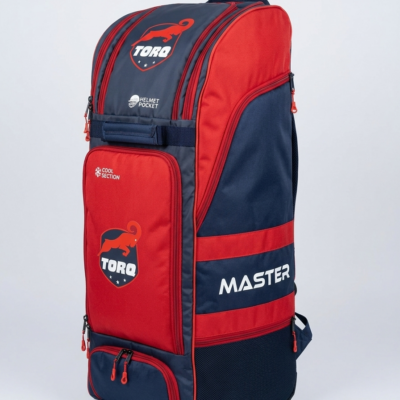
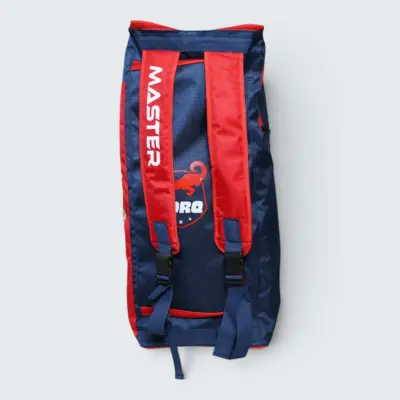
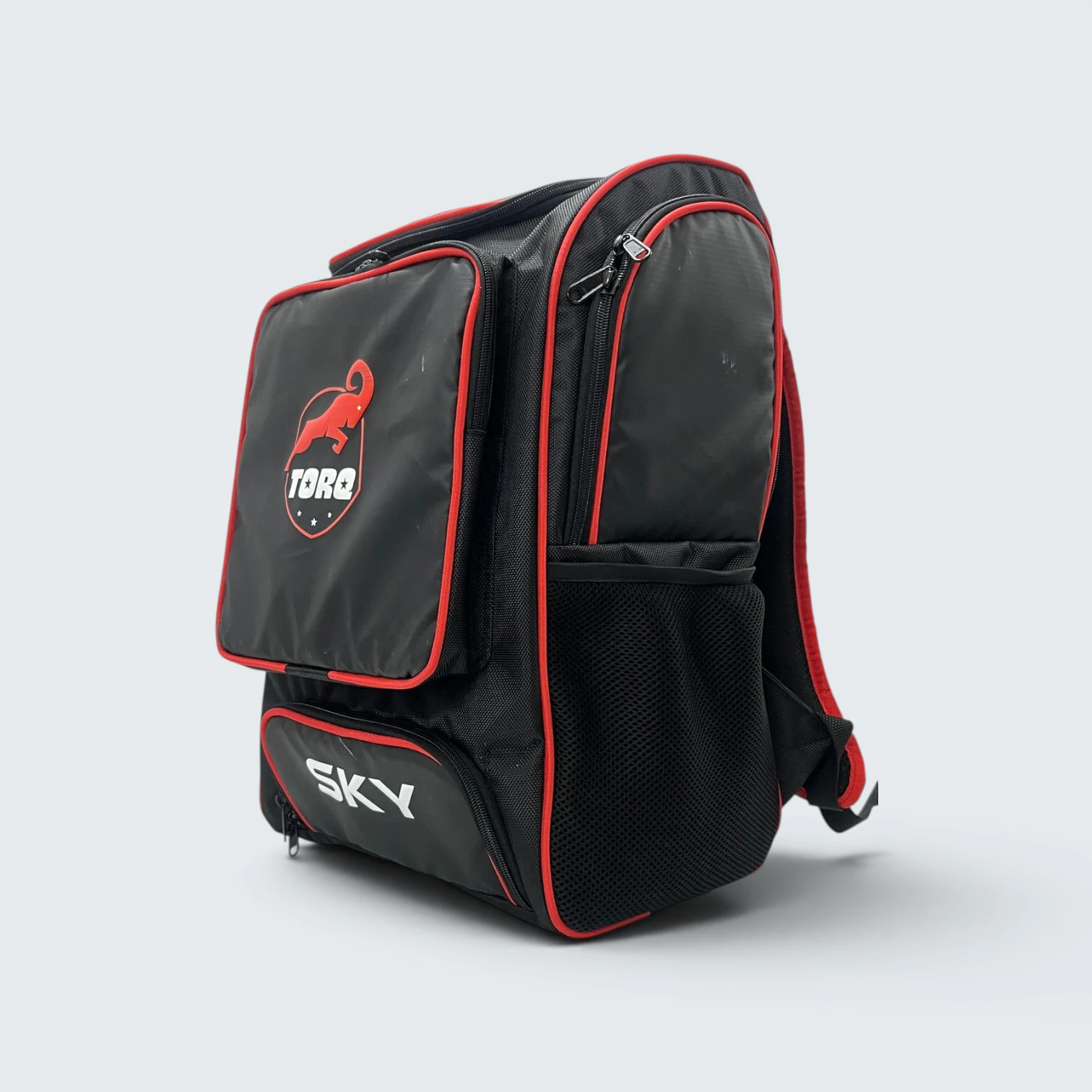
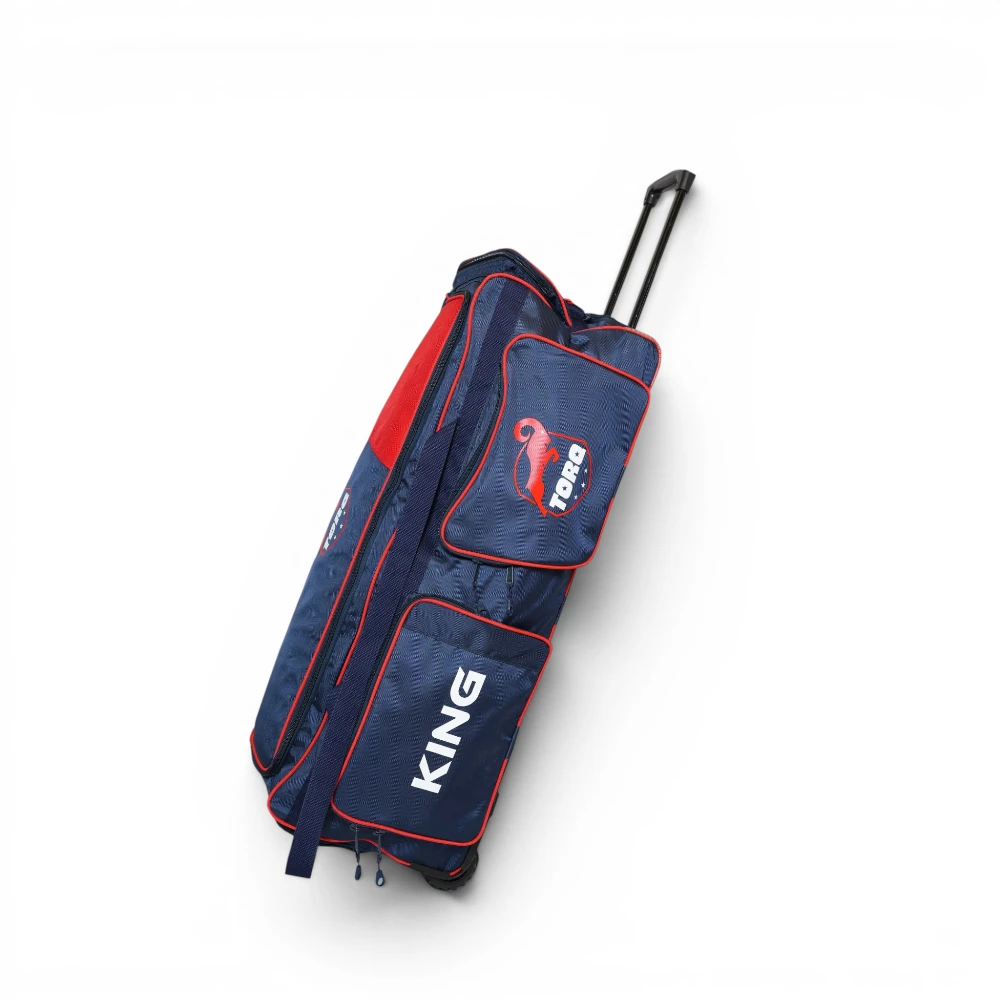
Unpack and Air Out Your Bag: Regularly empty out your duffle or wheelie kit bag to brush out sand and dirt. Leaving wet gear zipped up inside creates an ideal environment for mildew and fabric decay.
“The longevity of cricket equipment comes down to how you treat it when the match is over. A bat properly oiled and stored, or gloves allowed to air-dry naturally, will perform at peak level twice as long as neglected gear. Respect your gear off the field, and it will reward you with elite performance at the crease.”
— Arun Sir, Ex-Ranji Player, Rajasthan
Conclusion
Maintaining your cricket equipment is an essential practice for any serious player. Taking a few extra minutes after every net session or match to air out your gloves, inspect your bat’s edge, and clean your pads protects your investment and ensures your gear is always match-ready. Combine proactive maintenance habits with high-durability gear from TORQ to step onto the field with equipment built to perform under pressure.
Frequently Asked Questions (FAQs)
How can I prevent my batting gloves from smelling and getting stiff?
Never leave wet gloves packed inside a dark, unzipped kit bag after a match. Air-dry them naturally at room temperature away from direct sunlight or heaters, which dry out natural oils and crack the leather. Gently brush the palms with a dry towel after use to remove excess salt from sweat.
How often should I oil my English willow cricket bat?
A new bat needs 2–3 light coats of linseed oil before initial use. During the playing season, a light re-oiling (1–2 drops) every 5 to 6 weeks—or whenever the blade looks pale and dry—is sufficient. Avoid over-oiling, as excess oil saturates the timber and deadens the sweet spot.
How often should I replace my batting gloves or pads?
You should upgrade your gear the moment protective foam inside the fingers or knee rolls breaks down and softens, or if the palm leather wears thin and develops holes. For regular club players, a premium pair typically provides top-tier protection and performance for one to two full seasons.
Can I dry wet cricket equipment using a hairdryer or heater?
No. Artificial heat sources shrink leather palms, warp willow wood, and melt synthetic adhesives in pads. Always allow your gear to dry naturally in a cool, shaded area with good airflow.
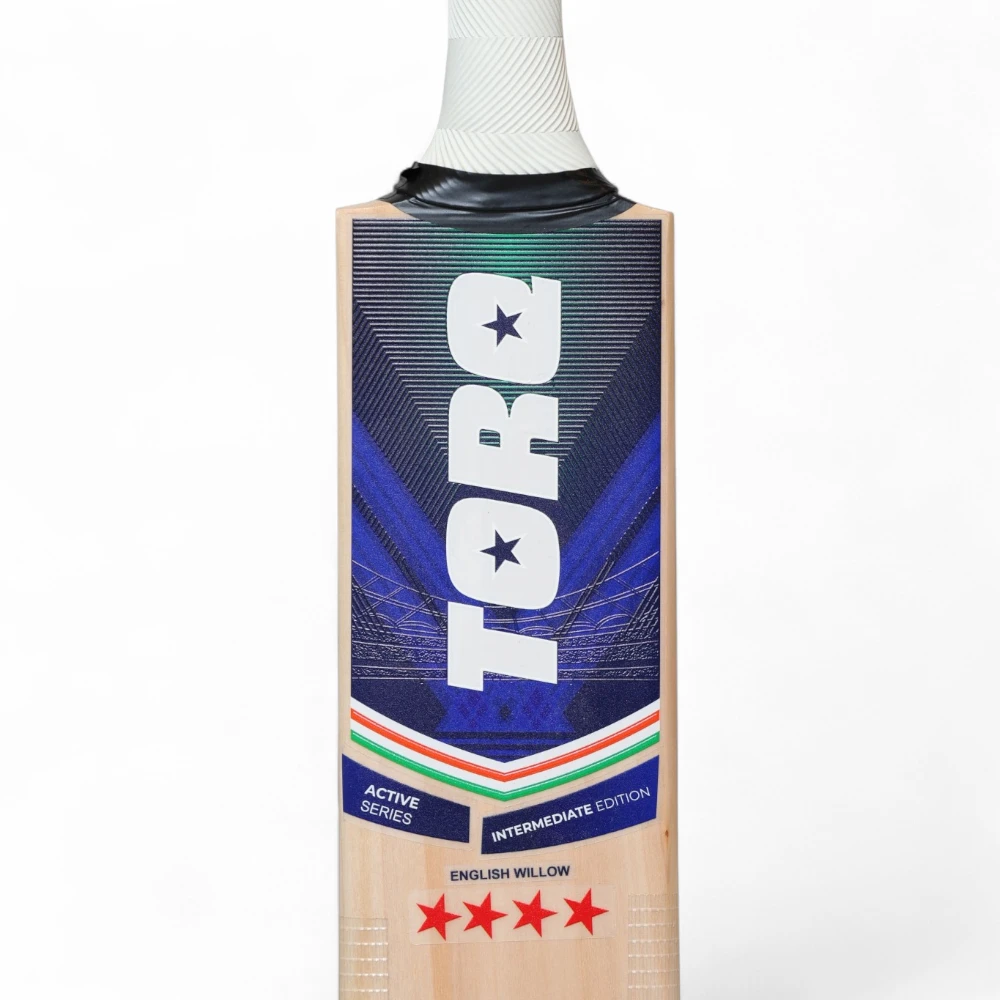
Torq | Active Series | Intermediate Edition | English Willow | 4* | Cricket Bat
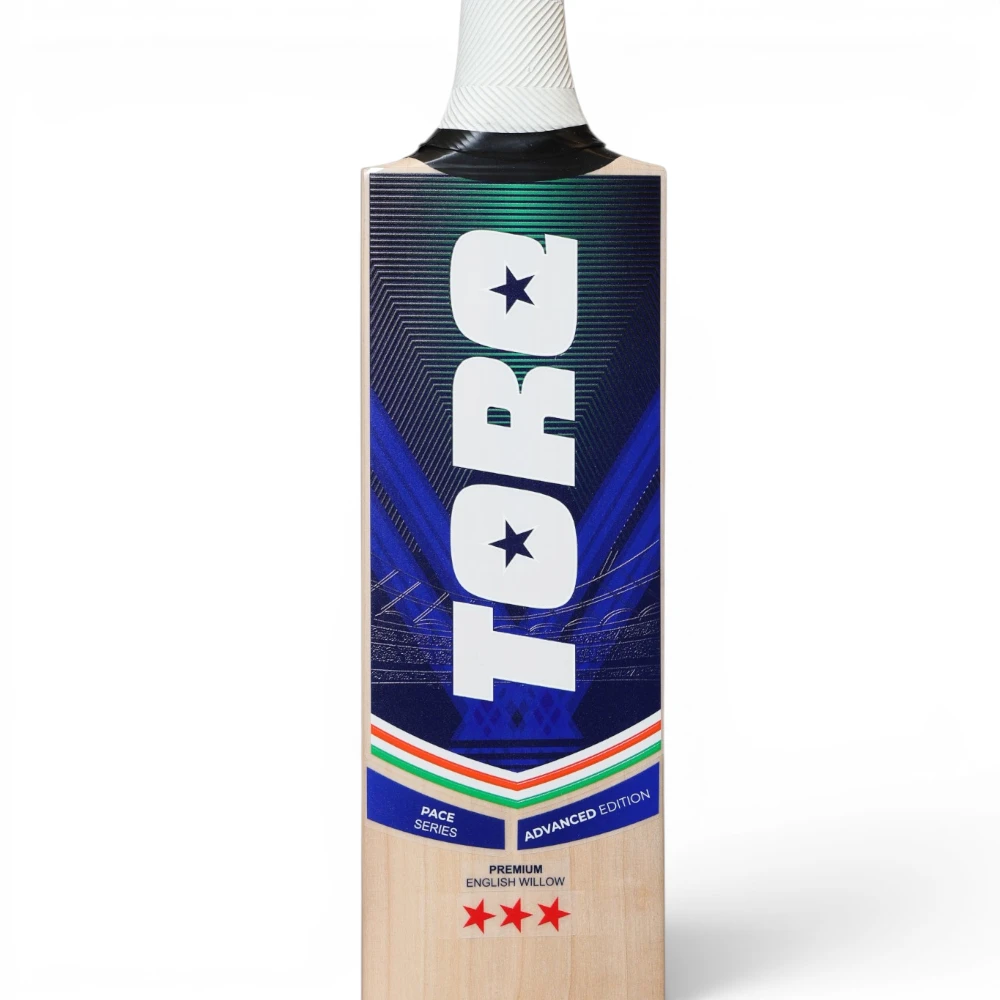
Rated 5.00 out of 5₹12,082.00₹10,999.00 Select optionsTorq | Pace Series | Advanced Edition | Premium English Willow | 3* | Cricket Bat
Rated 5.00 out of 5₹25,315.00 – ₹25,315.00
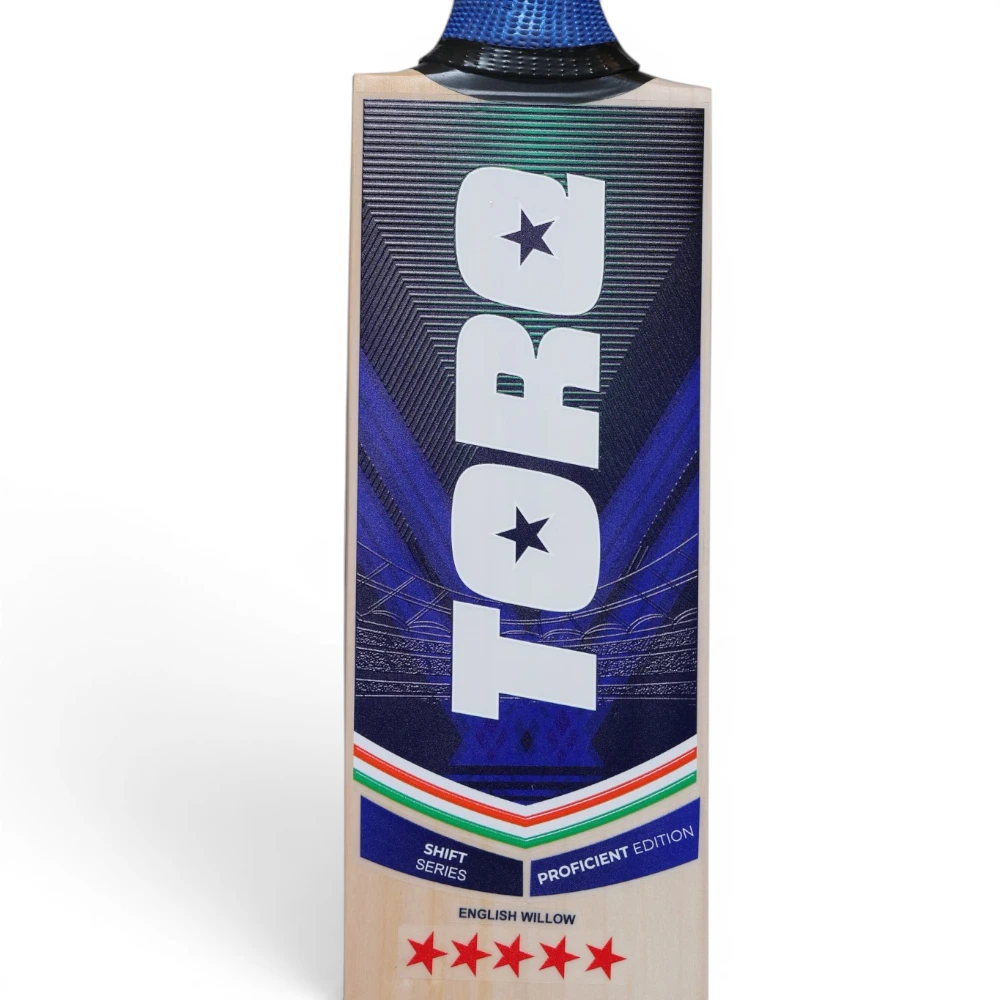
₹22,783.00 – ₹22,883.00 Select optionsTorq | Shift Series | Proficient Edition | English Willow | 5* | Cricket Bat
Rated 5.00 out of 5₹23,974.00₹21,599.00 Select options