Key Takeaways
The Evolution of Armour: Modern professional cricket pads have shifted from heavy leather and basic bamboo to space-age materials such as High-Density Foam (HDF), Kevlar, and shock-absorbing gel inserts.
The Weight vs. Protection Dilemma: Elite players no longer accept heavy gear. The goal is to save weight (targeting 800–900 grams per pad) to optimise T20 running speed without sacrificing structural defence against 140+ kph yorkers.
Cane vs. Foam Dynamics: Traditional cane rods offer unmatched rigid deflection against extreme pace, while moulded high-density foam pads offer seamless aerodynamic contours and maximum weight reduction.
The Hidden Details: Top-tier pro pads stand out through premium Polyurethane (PU) skin facings, custom-moulded knee cups, ergonomic side wings, and moisture-wicking internal mesh that stands up to hours at the crease.
The TORQ Standard: Elite protection requires an intentional marriage of multi-layered shock dissipation and ergonomic wrapping so the pad functions as an extension of the batsman’s leg, not an obstacle.
Introduction
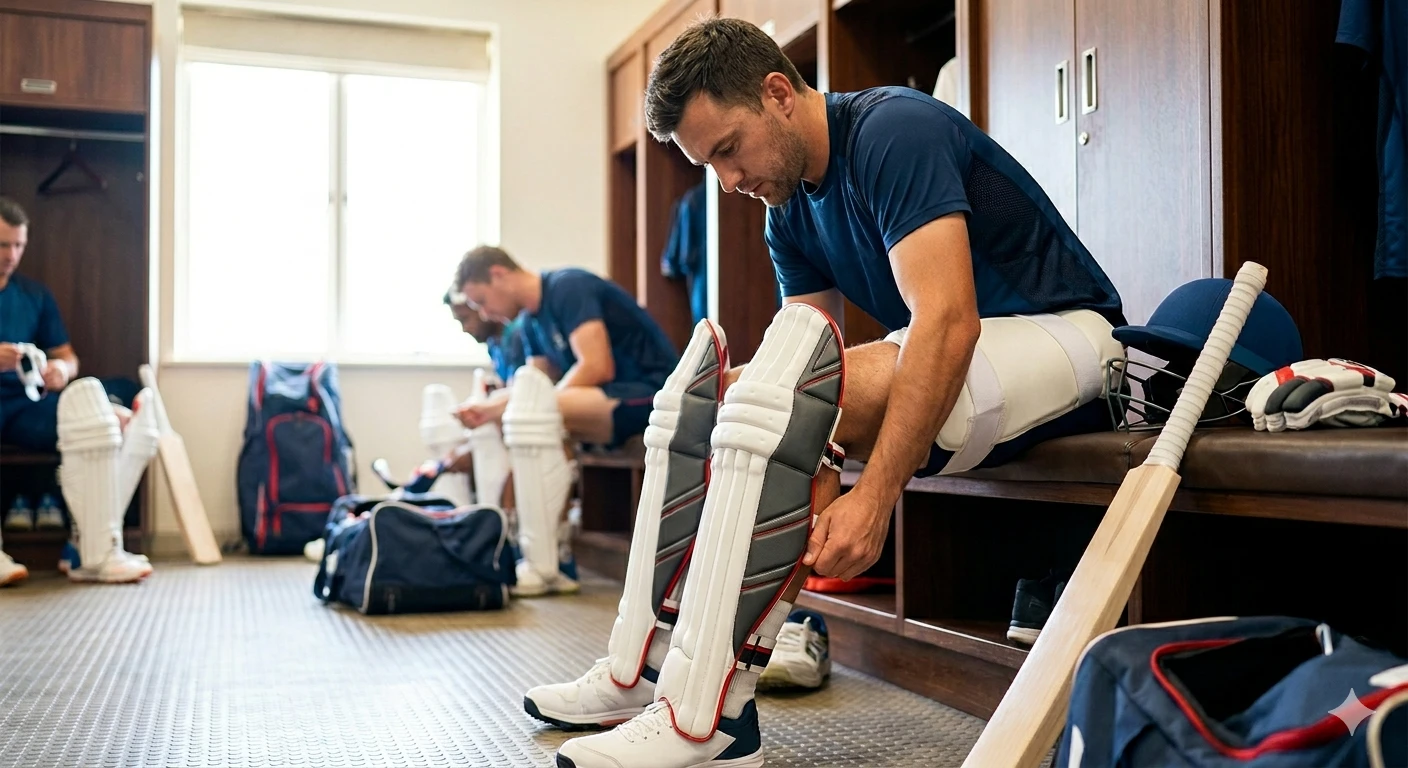
Walk into a professional dressing room, and you will notice that elite cricketers treat their batting leg guards with the same reverence as their custom-made English willow blades. Yet, to the untrained eye sitting in the stands or watching on a screen, all cricket pads look relatively similar—white or colored panels of wrapped foam and straps.
The reality on the field is vastly different. When an opening batsman stands at the crease to face a rock-hard leather ball travelling at 145 kph (90 mph), their leg guards are the only barrier preventing a severe bone fracture or a deeply disruptive injury.
So, what exactly do the pros wear? How have modern sports science and materials transformed standard leg armour into lightweight, high-performance protective gear? Let’s strip back the outer casing and analyze the precise engineering that goes into professional-grade cricket batting pads.
The Anatomy of an Elite Leg Guard
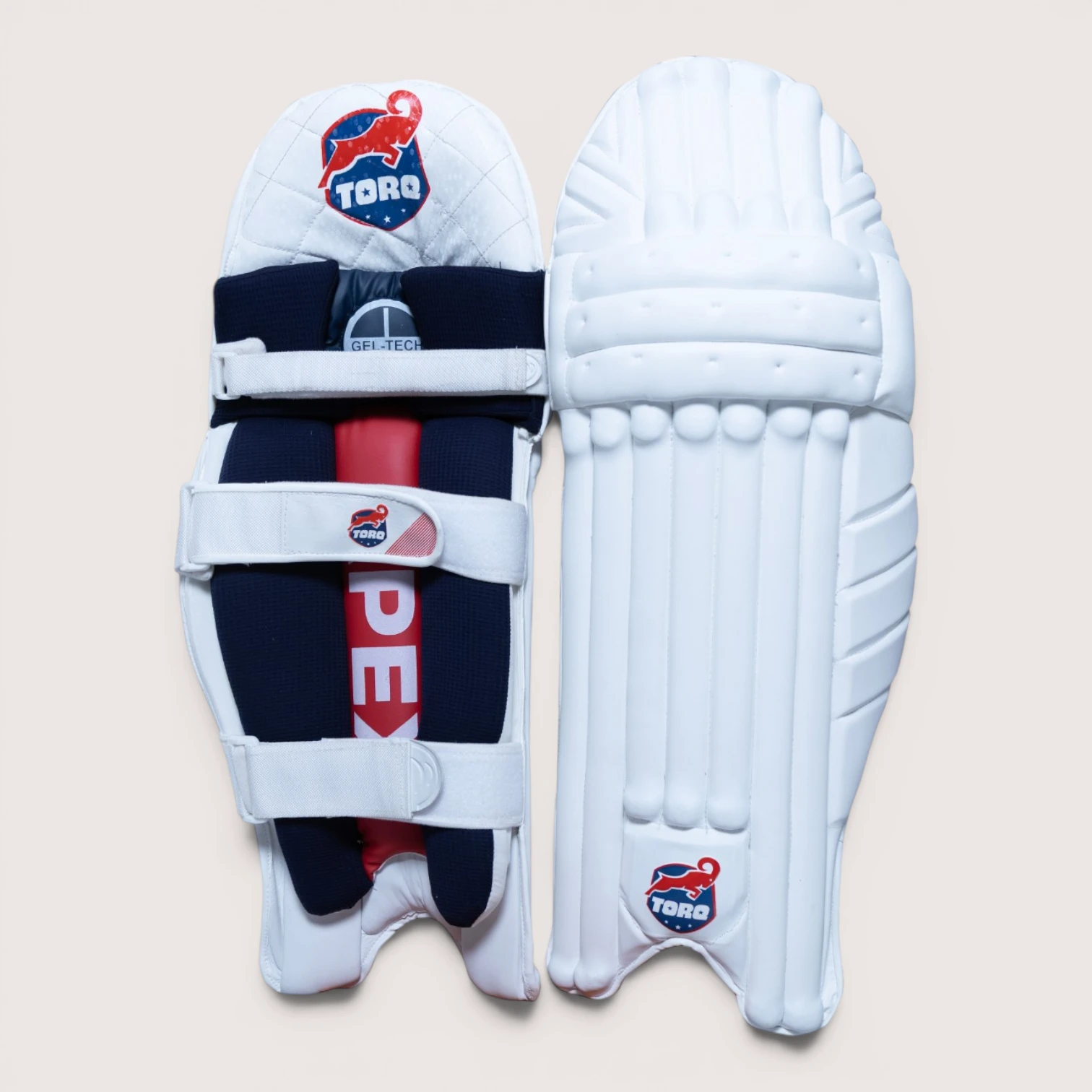
To understand what makes a professional pad elite, you have to break it down section by section. Every single element is precisely tailored to balance safety, flexibility, and agility:
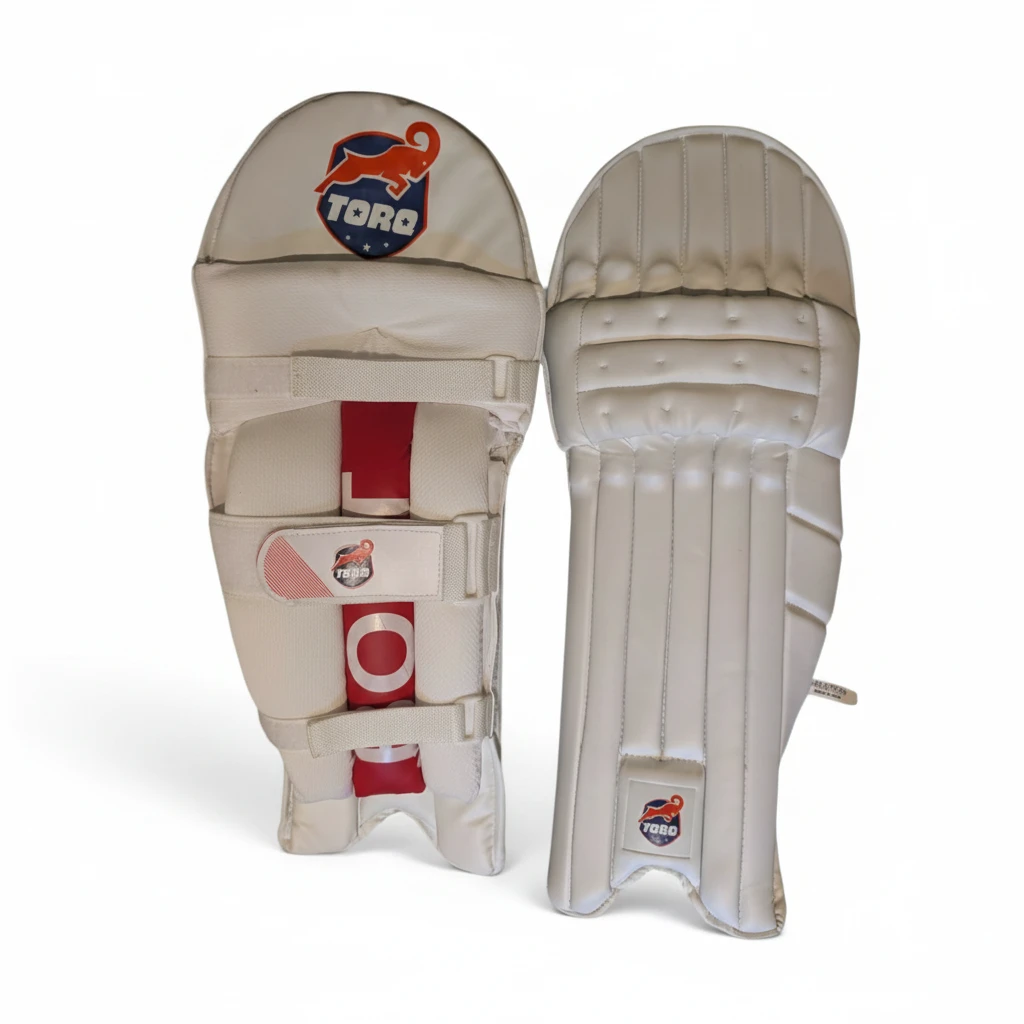
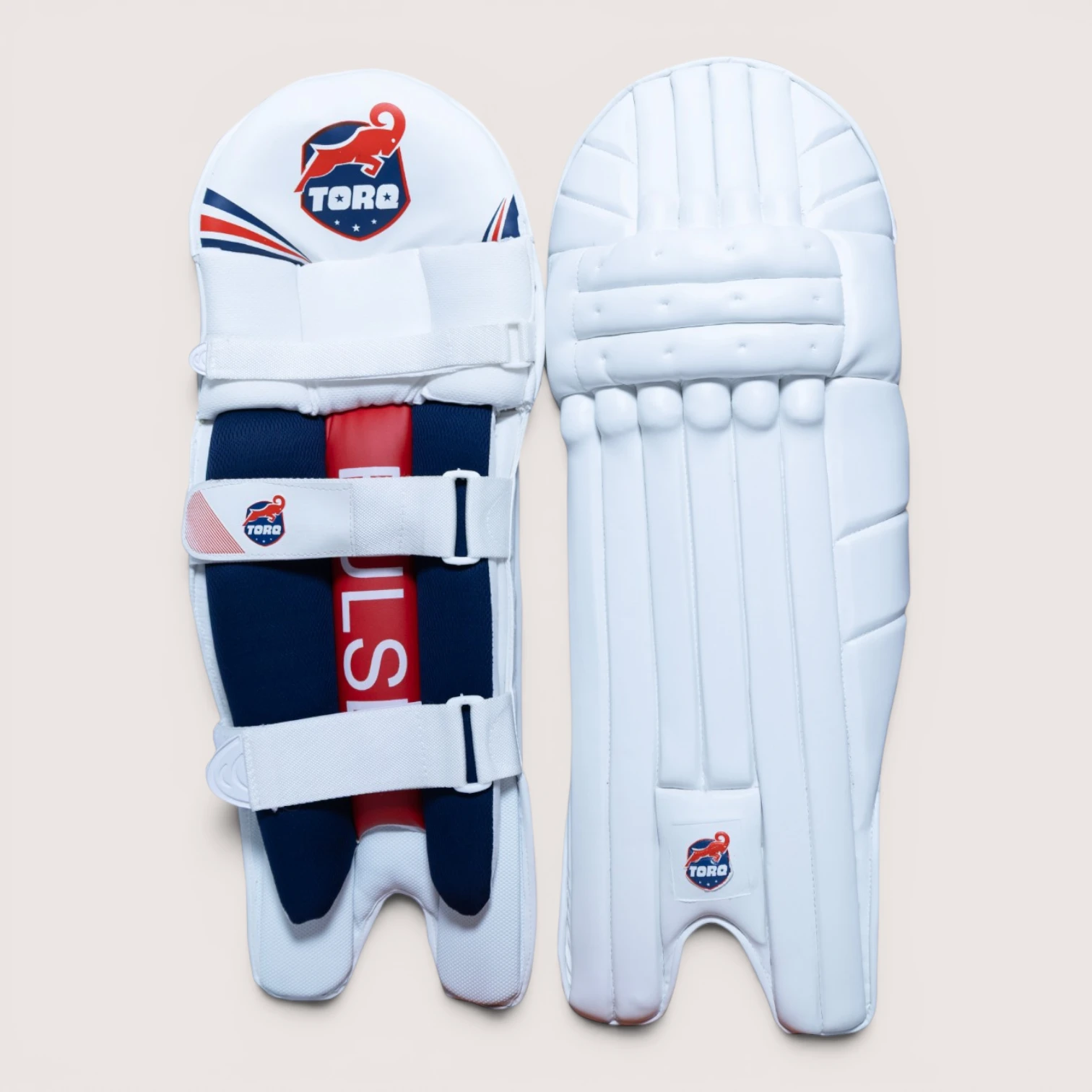
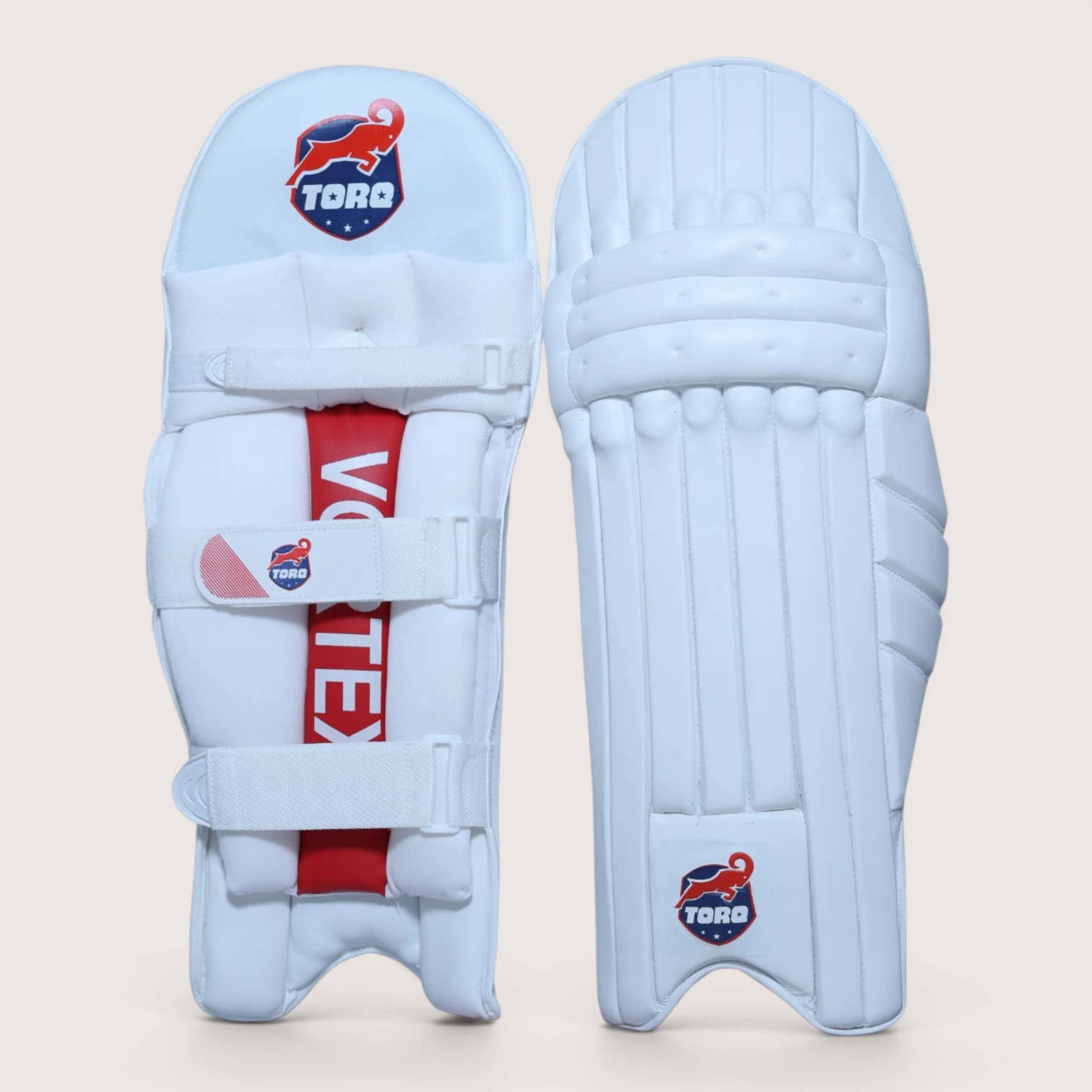
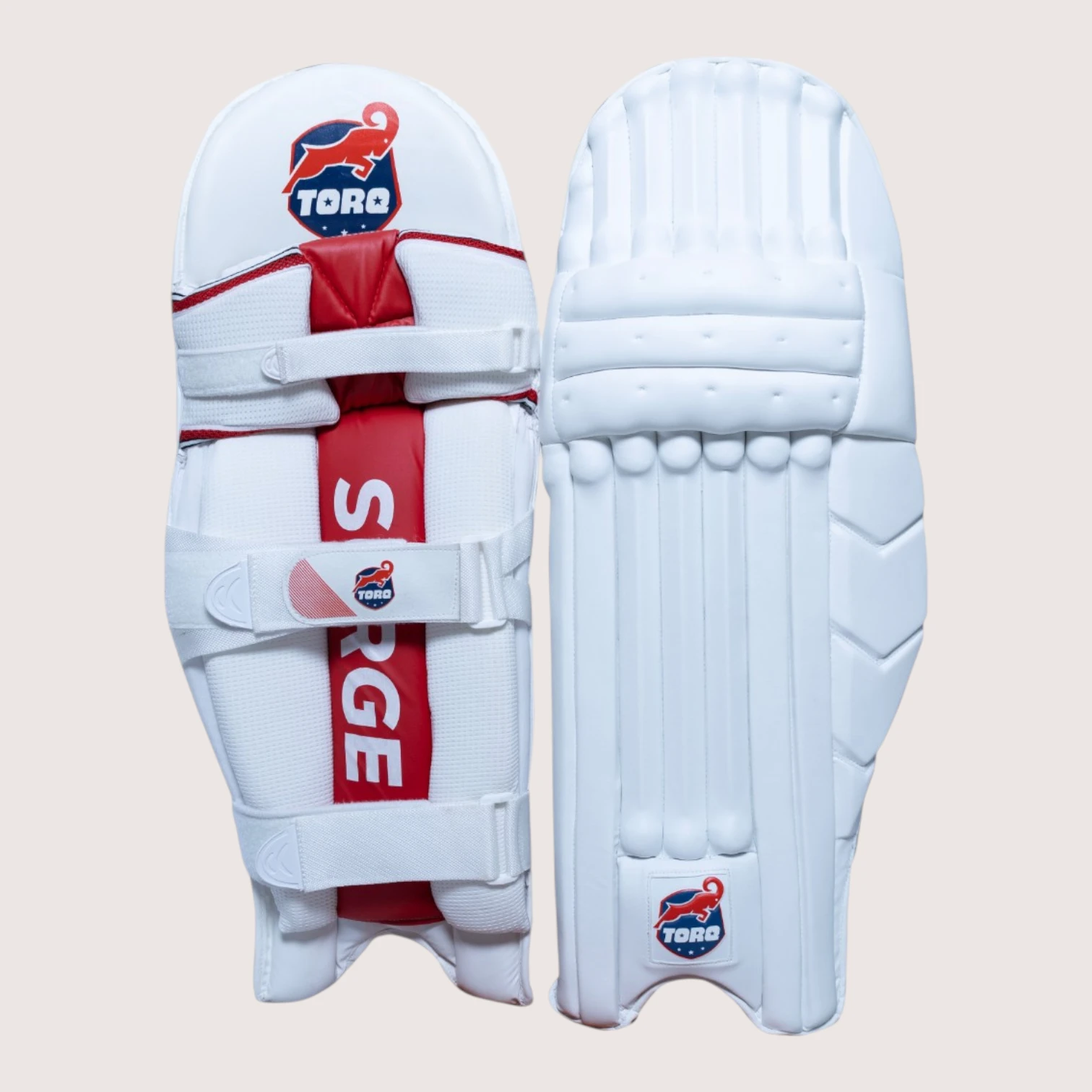
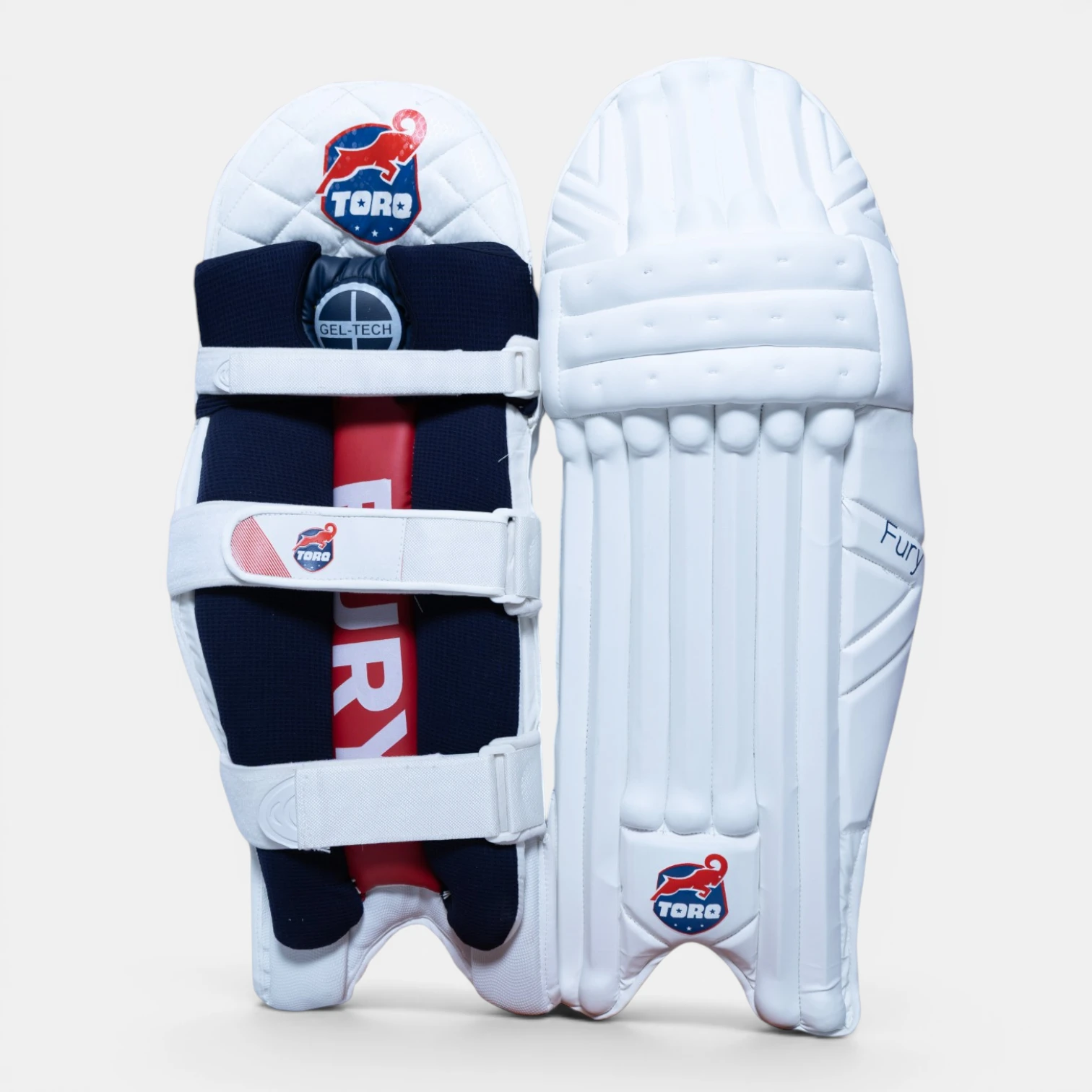
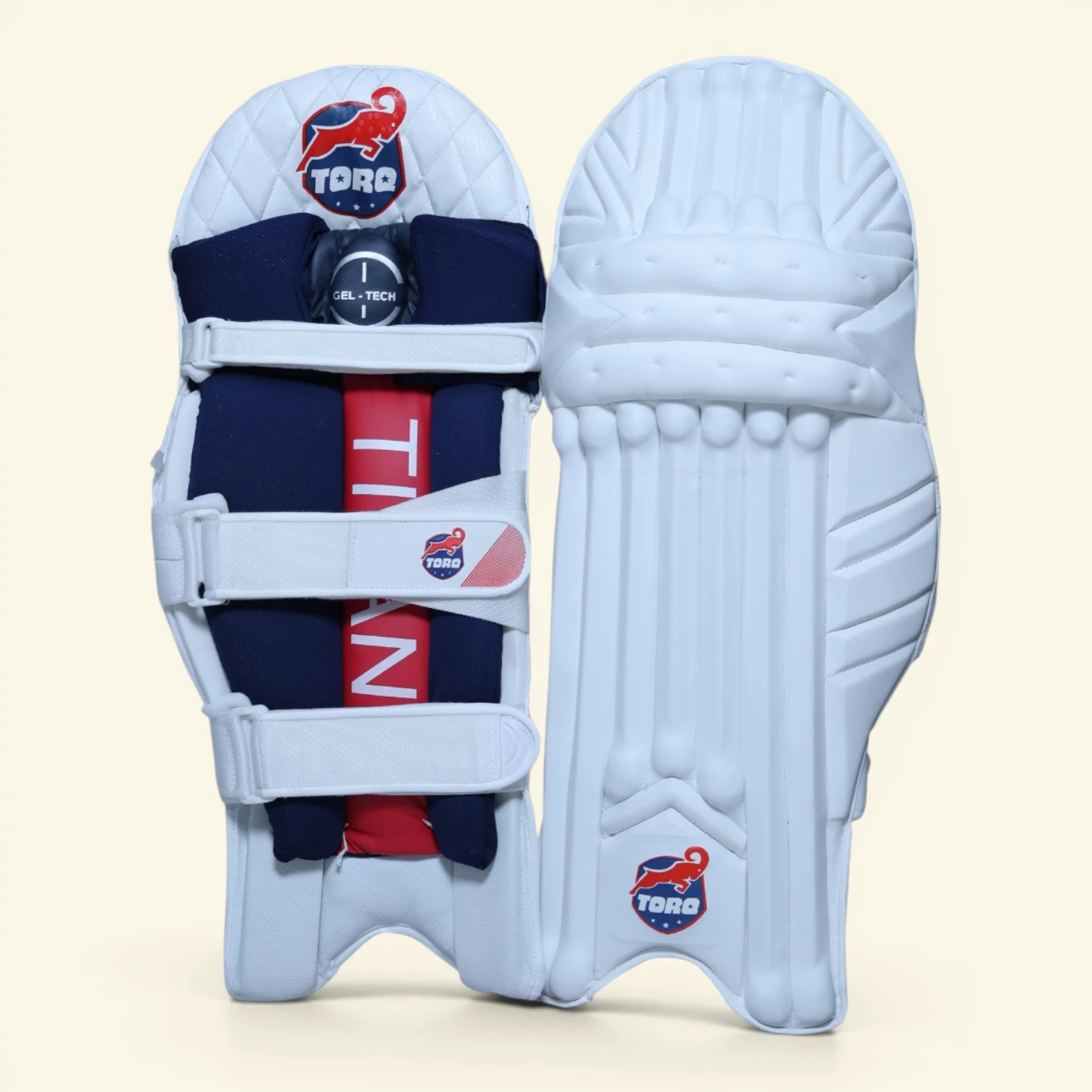
The Face & Cane Rods: This is the primary front shield. Professional pads utilize vertically integrated cane rods or reinforced fiberglass slots sandwiched between layers of foam to deflect direct impacts away from the shinbone.
The Top Hat: The section extending directly above the knee roll. It shields the vulnerable lower thigh area from rising deliveries while remaining flexible enough not to catch on the bottom of the batting thigh guard.
The Knee Roll: This horizontal bolster serves two critical functions: it structures a secure pocket around the kneecap and acts as a hinge, allowing the pad to flex seamlessly when the batsman crouches into a cover drive or sprints down the pitch.
Side Wings: Wraparound extensions on the outer edges of the leading leg. They provide crucial defence against inside edges or late-dipping inswingers that strike the side of the leg.
The Instep: The heavily reinforced fabric base that rests over the cricket spike. Pros look for heavily padded, wear-resistant pipelines here to stop the friction of the boot from tearing the pad apart.
Cane vs Moulded Foam: The Professional Battleground
The greatest design choice a professional cricketer faces when choosing their armour is the structural core: Traditional Cane or Modern Moulded High-Density Foam (HDF).
Traditional Cane Pads
For decades, the standard choice for test match purists has been cane-reinforced pads. Natural cane strips offer an incredibly rigid exterior barrier. When a ball hits a cane pad, the impact energy is immediately transferred down the vertical rods and dissipated away from the leg.
The Downside: Cane is naturally heavier, typically pushing a pair of pads to weigh upwards of 1.4 kg.
Who uses them: Generally preferred by classical top-order test batsmen who spend hours at the crease facing fresh, fast bowlers and prioritise maximum impact deadening over rapid sprinting.
Modern Moulded Foam Pads
Modern white-ball cricket (T20 and ODI leagues) has driven a massive shift toward full High-Density Foam constructions. These pads abandon heavy cane entirely, using multi-layered, pre-moulded foam blocks inside an ergonomic shell.
The Benefit: Incredible weight reduction. Premium moulded pads can weigh as little as 800 to 900 grams per pad. The dynamic design offers a highly aerodynamic profile, reducing air resistance and preventing the pads from rubbing together during quick singles.
Who uses them: Explosive T20 power-hitters, opening finishers, and dynamic all-rounders who rely heavily on lightning-fast footwork, sweeping, and intense running between the wickets.
The Science Behind the Lining: Shock Dissipation
What separates a standard retail pad from the gear used internationally is what happens on the inside layer. A professional ball striking a pad at high speeds produces intense kinetic force. If that force transfers directly through, it results in deep bone bruising and compromised performance.
To counter this, premium pro-level guards utilise sophisticated multi-density padding systems:
Outer Deflection Skin: A premium, tear-resistant Polyurethane (PU) outer casing that absorbs the initial friction and resists water absorption in damp conditions.
High-Density Shock-Absorbing Foam: A firm middle layer designed to break up and scatter the concentrated vibrational energy of the ball across a wider surface area.
Gel & Memory Foam Knee Cavities: The inner core features custom-contoured knee cups lined with impact-absorbing gel inserts or reactive memory foam. This cradles the joint securely, keeping the pad perfectly aligned to the leg even during sudden, explosive lunges.
Moisture Management Liners: Elite players can sweat heavily during a long innings. Pro-grade linings use advanced dry-fit mesh fabrics that wick sweat away from the shins, keeping the gear light and preventing internal slippage.
“The evolution of the modern batting pad has completely changed how batsmen approach running and crease movement. Ten years ago, players accepted that premium safety meant dragging heavy, water-logged cane pads through a long afternoon. Today, sports science allows us to engineer gear where high-density impact protection is directly fused into a lightweight, second-skin fit. If your leg guards feel heavy or shift out of position when you cross your legs to play a shot, they aren’t just a comfort issue, they are actively damaging your scoring efficiency and safety.”
– Mr. Jagannathan Murthy, Head of Product Engineering & Gear Performance, TORQ
Conclusion
Professional cricketers use batting pads that match their unique playing profile, balancing traditional cane rigidity with modern molded foam weight advantages. Ultimately, elite performance comes down to a zero-compromise approach toward materials, fit, and movement.
At TORQ, we design our batting leg guard range around these exact professional criteria. By blending lightweight high-density foam architectures with custom-bolstered knee rolls and premium, durable strap enclosures, we ensure you don’t have to choose between lightning-fast mobility and elite safety. Whether you are a club cricketer looking to upgrade or an academy junior facing fast bowling for the first time, protecting your legs with pro-level engineering is the ultimate way to play with complete confidence.
FAQs
Cane pads use natural bamboo or fiberglass rods inside the face panels for a highly rigid, traditional protective barrier, making them slightly heavier. Foam pads utilize pre-molded high-density foam blocks, which dramatically drops the overall weight and creates a more aerodynamic, close-to-leg fit for quick running.
Many modern short-format players prefer a 2-strap design because it reduces overall weight, speeds up the process of padding up, and leaves the back of the knee joint completely unrestricted, allowing for deeper knee bends and faster sprint acceleration.
When standing straight, your kneecap should align perfectly with the center of the inner knee roll cavity. The bottom instep should sit comfortably right above your cricket boot without dragging or restricting your ankle movement. If the top hat catches on your thigh guard or the pad twists when you move, the size is incorrect.
For a casual club cricketer, a premium set of PU-faced pads can easily last 3 to 5 seasons with proper maintenance. For professionals training daily and facing high-velocity bowling machines, pads are typically replaced every 1 to 2 seasons due to the gradual compression of internal impact foams.
Always wipe down the outer PU face with a damp cloth after each innings to clear away mud, grass stains, and ball marks. Crucially, allow your pads to air-dry completely in a shaded, well-ventilated space before packing them back into your kit bag. Never leave them directly under harsh sunlight, as intense heat can dry out and crack the protective foam core.