Key Takeaways
The Erroneous Economy: Buying the cheapest generic bag frequently results in zippers breaking, seams tearing, and a costly replacement within months.
The Ergonomic Imperative: A junior kit bag must fit a child’s physical size to avoid spinal strain, poor posture, and fatigue on training days.
Wheelie vs. Duffle: Select the bag architecture based on the specific training environments. Wheelie bags are best for paved pathways, while duffle backpacks rule grass fields and stairs.
Smart Compartmentalization: Dedicated external bat pockets and ventilated shoe compartments protect expensive willow from damp gear and structural damage.
Material Integrity Matters: Opt for high-denier fabrics (such as 600D to 1680D cordura nylon) with heavy-duty plastic tracts to withstand rough usage.
Introduction
Signing your child up for their very first cricket season is an incredibly proud moment for any parent, but learning how to choose a cricket kit bag that balances ergonomics and durability is often an afterthought. While most parents spend weeks researching the perfect willow or comparing helmet safety ratings, transporting that heavy investment safely is crucially important.
Consequently, most parents spend weeks researching the perfect willow or comparing helmet safety ratings. Yet, when it comes to storing and transporting this heavy, expensive investment, the final item on the list—the cricket kit bag—is often chosen as a hasty afterthought.
Many parents fall into a common trap. They find a massive, generic sports duffle bag online, look at a cheap price tag, and click buy. However, this minor cost-saving measure frequently leads to early morning frustrations, broken equipment, and literal physical strain for your young athlete.
If a cricket bag is too large, your child will drag it clumsily across the asphalt, destroying the fabric base. Conversely, if it is too small or poorly designed, packing up after a stressful loss turns into a chaotic jigsaw puzzle where expensive items are lost or damaged.
Therefore, to help you navigate this essential purchase with confidence, we have put together this definitive guide. Let’s look beyond the price tag to explore how to select a first cricket kit bag that balances ergonomic safety, long-term durability, and smart organization.
The Core Debate: Duffle Backpacks vs. Traditional Wheelie Bags
Before analyzing specific technical specs, you must decide on the fundamental blueprint of the kit bag. Modern manufacturers have moved far beyond the shapeless canvas sacks of old, creating two dominant styles for junior cricketers.
1. The Duffle Backpack Bag
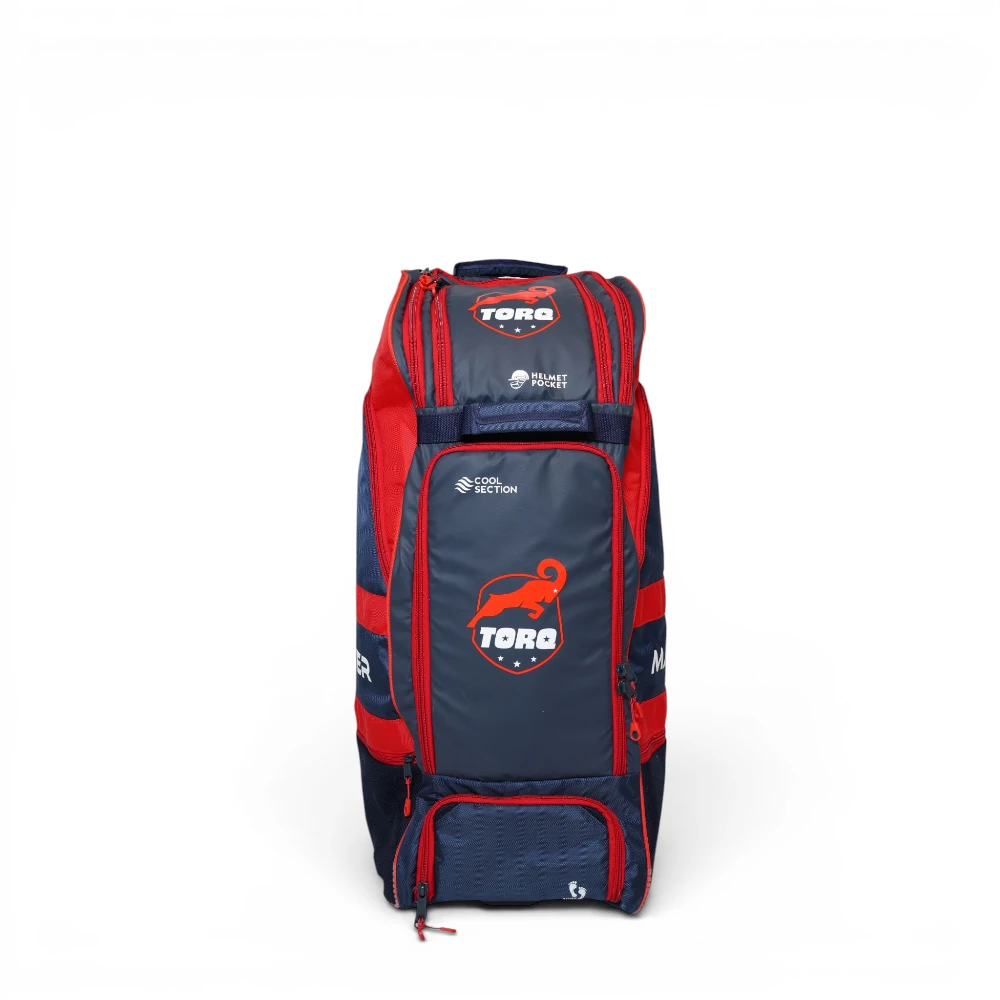
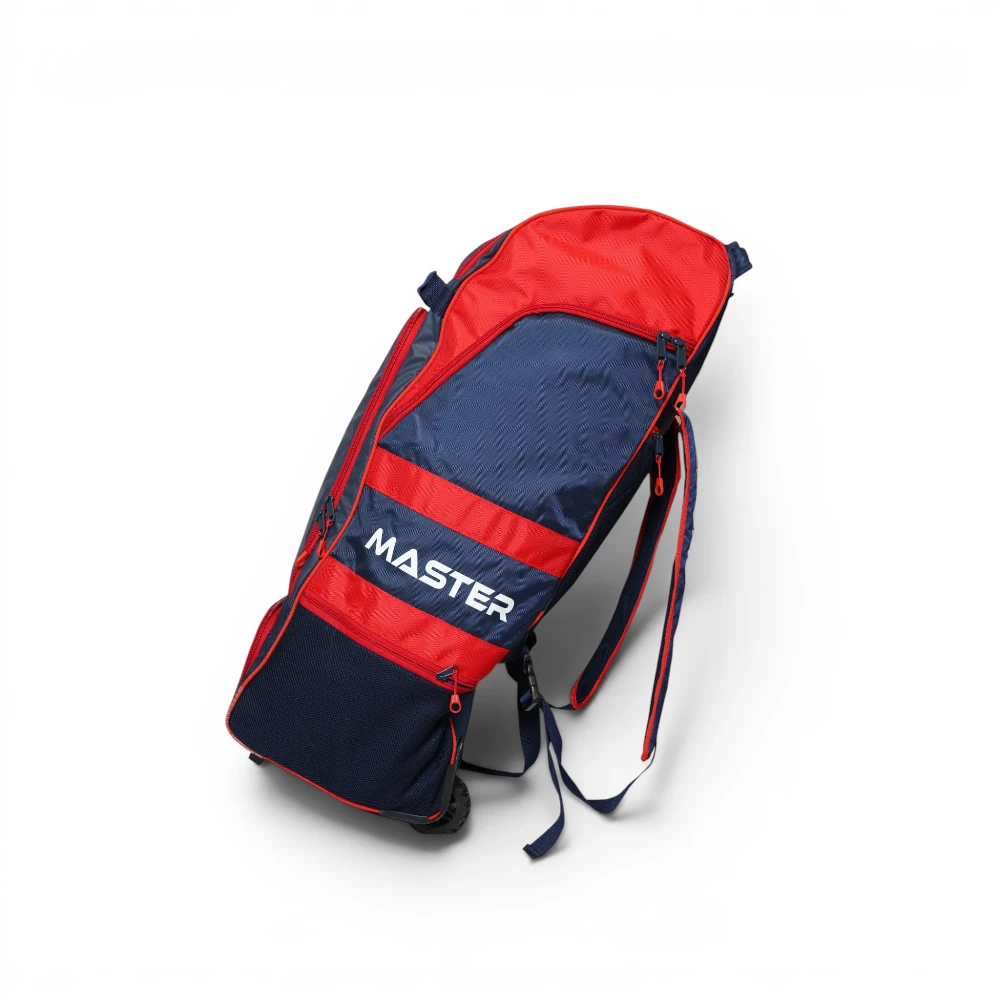
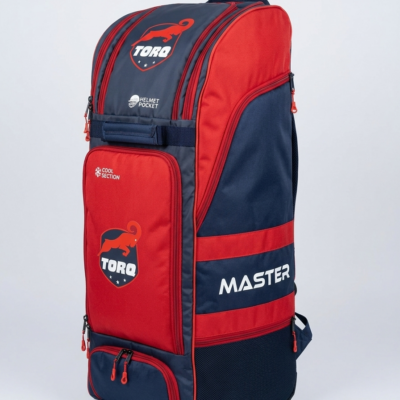
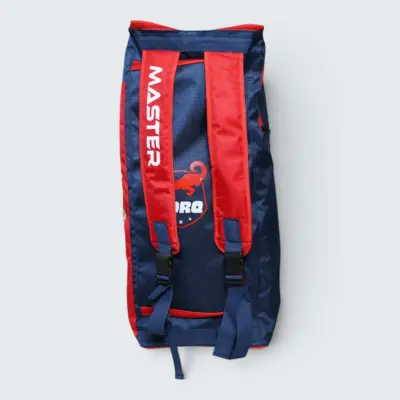
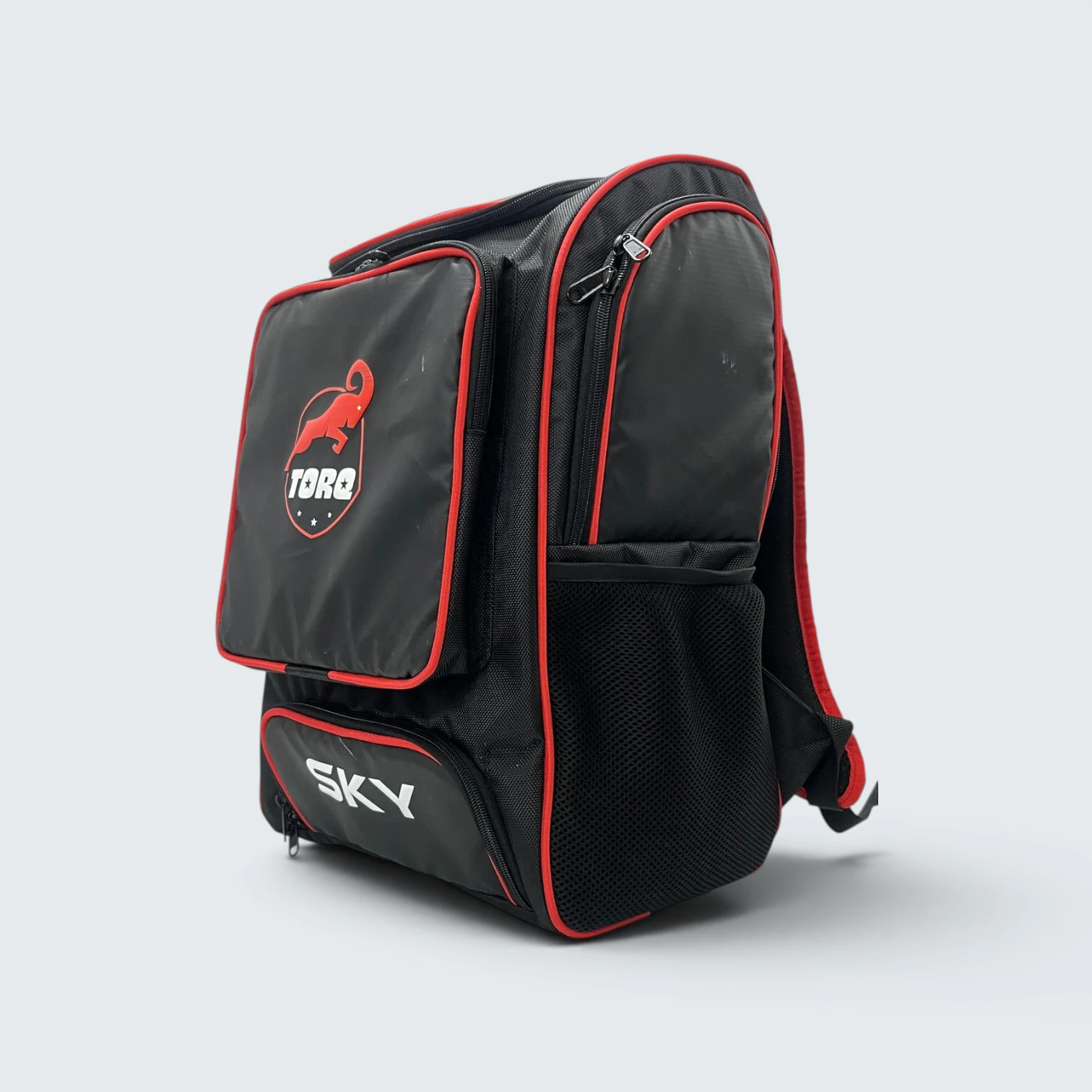
In recent years, the upright cricket duffle bag has skyrocketed in popularity among junior players. Featuring dual padded shoulder straps, these bags are worn exactly like a heavy-duty school backpack.
The Pros: Backpack styles keep your child’s hands completely free. This makes them exceptional if your young player rides a bicycle to the local nets, climbs public transport stairs, or must trek across muddy, wet grass outfields where wheels would instantly jam.
The Cons: Because the entire weight rests on the body, a poorly packed duffle can cause shoulder fatigue. This implies that parents must ensure the child isn’t overloading the bag with unnecessary items.
2. The Traditional Wheelie Bag
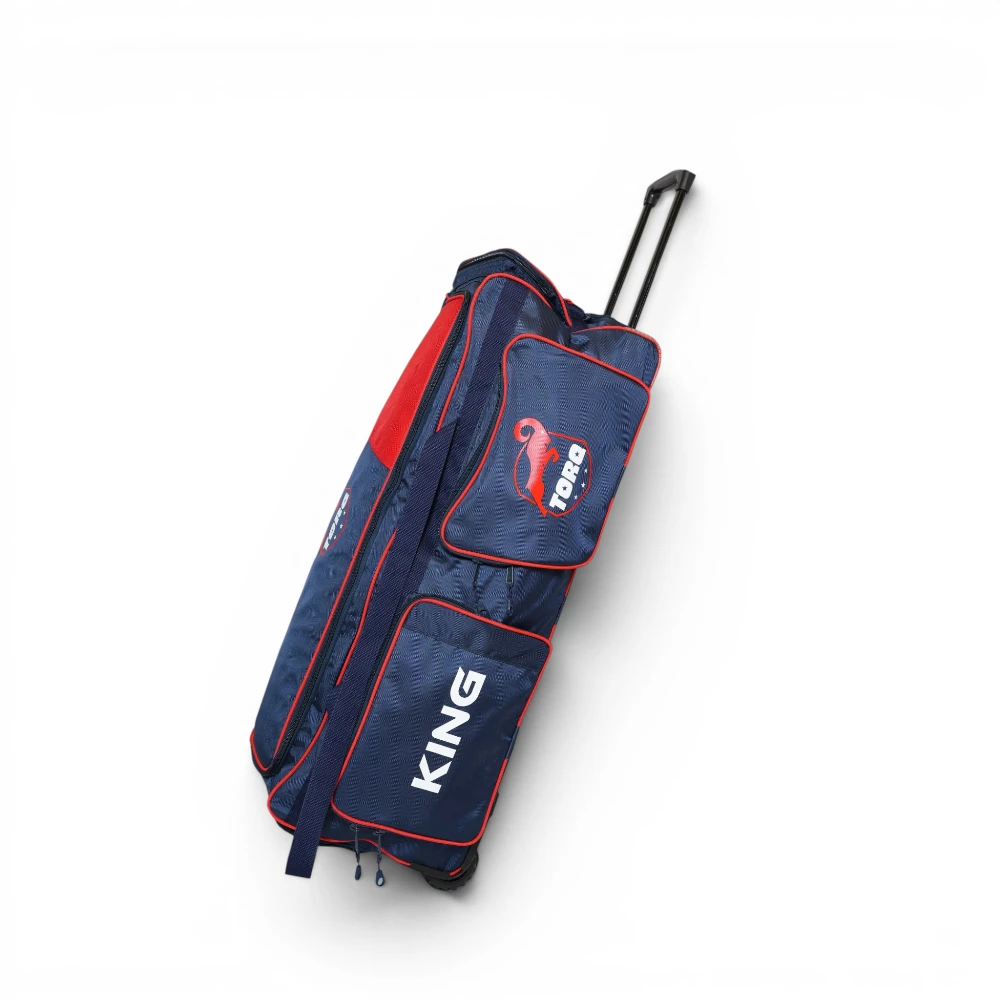
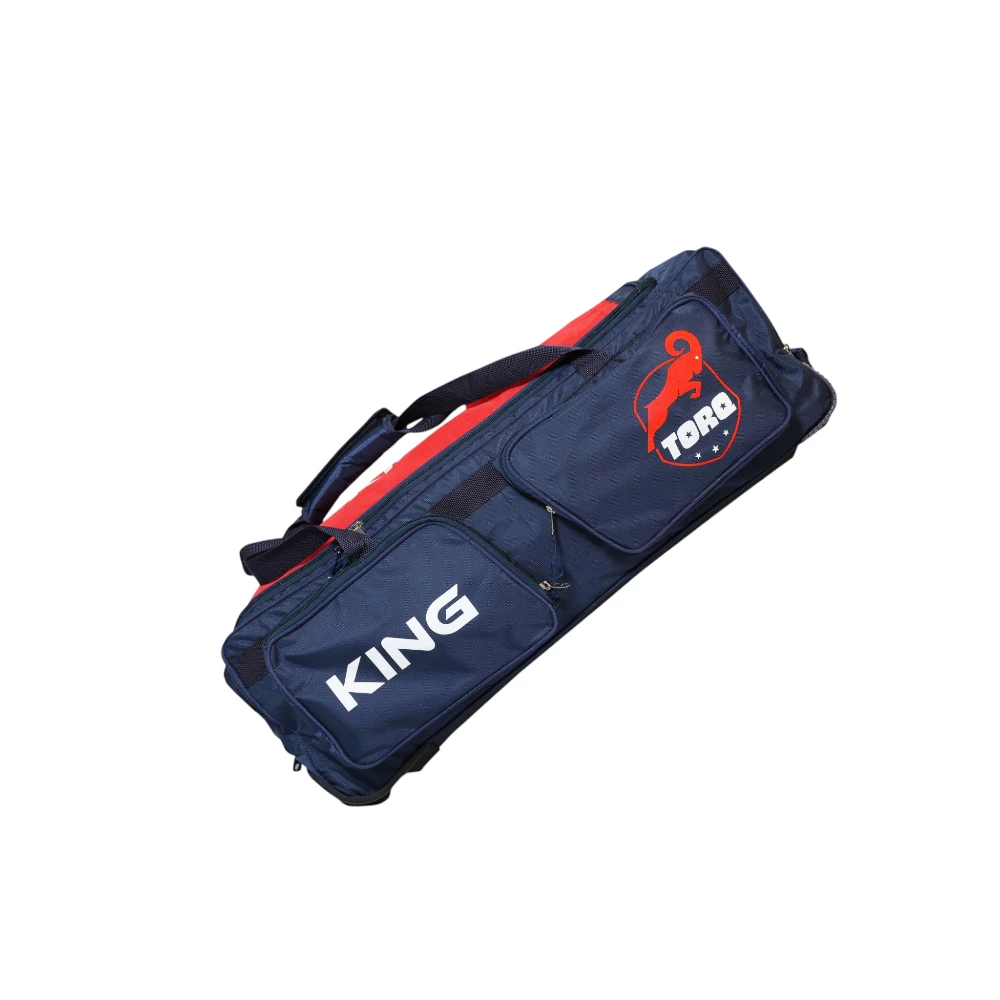
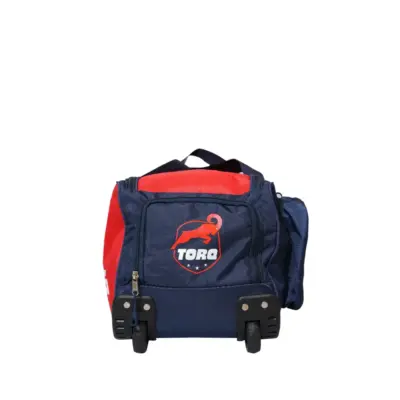
On the other hand, the classic wheelie kit bag features heavy-duty wheels and either a fabric pull-handle or a structured trolley system.
The Pros: Wheelie bags remove the load entirely from the player’s back. By shifting the physical weight to the ground, a young player can transport heavy adult-sized protective gear effortlessly over concrete paths and paved academy parking lots.
The Cons: Nevertheless, wheels add notable deadweight to the bag itself. Furthermore, if the path to the pitch includes steep steps, gravel, or thick grass, your child will end up carrying a bulky, awkward shape sideways, which can strain their growing muscles.
The Three Golden Rules of Junior Bag Selection
To ensure your investment lasts for multiple seasons without causing a single headache, memorize these three non-negotiable parameters.
Rule 1: Size and Weight Proportionality
First and foremost, a cricket bag should fit the child, not just the gear. It can be incredibly tempting to buy an oversized senior-sized bag with the rationale that “they will grow into it over the next four years.”
However, this logic ignores basic child ergonomics. A bag that is too tall will hit the back of a junior player’s knees as they walk, causing them to lean forward at an unnatural angle to balance the load. As a consequence, this places unnecessary pressure on the lumbar spine.
As a general benchmark, when a duffle bag is worn on the back, the base should never sit lower than the child’s waistline line.
Rule 2: Denier Rating and Fabric Strength
In terms of material longevity, you must look closely at the product specification sheet for the Denier (D) rating. Denier measures the mass density of the fabric fibers.
Low Grade (Under 400D): Typically found in budget discount bags. The material feels thin, lacks water resistance, and will quickly develop holes at the sharp corners of batting pads.
High Grade (600D to 1680D Cordura Nylon): This is the sweet spot for durable cricket gear. Fabrics in this range offer immense puncture resistance, tolerate being tossed into car trunks, and repel light rain showers effectively.
Rule 3: Heavy-Duty Zippers and Tractor Tracts
Crucially, the single most common failure point on any sports bag is the main zipper track. Because cricket pads and helmets create internal pressure, a standard flimsy dress zipper will split open under stress.
Therefore, always seek out thick, heavy-duty nylon coil zippers (ideally size #10) with reinforced metal pulls. If the bag features double-stitching along the zipper seams, it is a clear sign of premium craftsmanship that can handle a full season of hurried packing.
Smart Compartmentalization: Protecting Your Investment
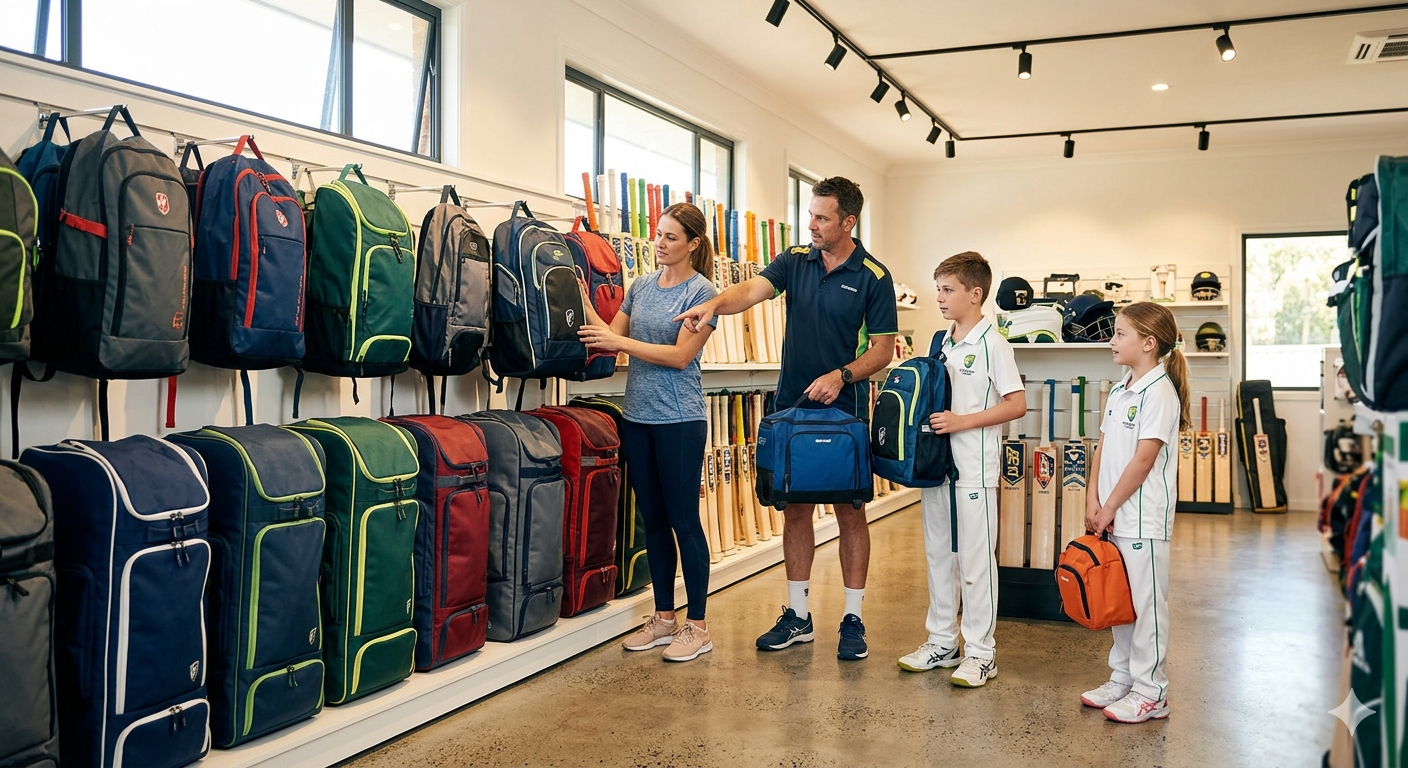
A cricket kit bag isn’t merely a storage sack; rather, it should function as an organized protective ecosystem for specialized cricket gear. To illustrate, a poorly compartmentalized bag forces clean clothes, muddy spikes, and delicate cricket bats into a single chaotic space.
Dedicated External Bat Pockets
Undeniably, a cricket bat is a highly calibrated instrument of compressed willow. If a bat is thrown into the main central compartment alongside loose metal buckles, helmet screws, and hard spikes, the face of the wood will suffer deep cosmetic dents and structural compromises.
Accordingly, look for kit bags that feature dedicated, padded side sleeves or internal bat cavities. This configuration locks the bat securely in place, protecting its edges from impact and ensuring its lifespan is maximized.
Ventilated Shoe & Laundry Cavities
Cricket matches frequently take place on damp morning grass or under baking afternoon sun. Consequently, your child’s spikes and socks will accumulate moisture, sweat, and mud.
If a bag lacks a segregated shoe compartment, that dampness spreads throughout the entire interior. This can cause the internal leather palms of expensive batting gloves to rot, stiffen, and crack. A separate, mesh-ventilated bottom pocket allows shoes to dry naturally while keeping the main gear pristine and odour-free.
“Over the years, I’ve seen thousands of junior players, and you can instantly spot who has the right bag. The player with a correctly sized, compartmentalized duffle walks into training organized, calm, and ready to focus. On the flip side, the kid with an oversized, cheap bag spends the first fifteen minutes sorting through a tangled mess of pads and loose shoes. A good kit bag doesn’t just protect your gear—it actively builds professional habits and discipline in a young cricketer from day one.”
— Dr. Satish Toradmal, Ergonomist, Torq, Mumbai
Conclusion
In conclusion, a cricket kit bag should never be dismissed as an unimportant accessory to save a few pennies. While it doesn’t score runs or take wickets directly, it acts as the vital anchor for your child’s entire sporting experience.
So, instead of purchasing solely by price tag, take the time to evaluate the fabric density, analyze the zipper strength, and measure the physical ergonomics against your child’s current height. By choosing a high-quality, smartly compartmentalized bag, you aren’t just buying convenience—you are actively safeguarding hundreds of dollars of protective equipment and ensuring your child arrives at every match organized, comfortable, and confident to perform.
FAQs
To begin, empty the entire bag completely at the end of every weekend to prevent old damp socks from creating mold. Next, use a stiff-bristled brush to remove dried mud and dirt from the base and wheels. Subsequently, wipe down the interior and exterior surfaces with a damp cloth dipped in warm, mild soapy water. Crucially, never submerge a structured kit bag in a washing machine, as this will destroy the internal waterproof lining and warp the rigid baseboards.
For an 8-year-old playing entry-level cricket, a specialized junior duffle backpack is almost always the superior option. Because an 8-year-old’s kit is relatively lightweight, they can comfortably carry it on their back without strain. Furthermore, small wheelie bags have a short wheel track, meaning they tend to flip over sideways repeatedly when pulled by a shorter child, leading to immense frustration on game day.
Specifically, Denier (represented by a ‘D’) is a technical unit of measurement that indicates the thickness and density of individual fabric threads. A higher number denotes a significantly stronger, thicker fabric. For instance, a 1680D nylon bag is exceptionally thick and highly resistant to tearing, whereas a 300D polyester bag is thin, flimsy, and prone to tearing open when dragged on rough concrete surfaces.
First, never force a zipper shut when the bag is over-packed. Instead, use your hands to pull the two fabric edges closely together before sliding the metal zipper across the track. Additionally, you can periodically rub a small amount of beeswax or a specialized zipper lubricant stick along the nylon teeth. This keeps the mechanism sliding smoothly and prevents the teeth from catching or pulling out of alignment.
While a 100% submersible waterproof bag isn’t required since cricket isn’t played in heavy downpours, a highly water-resistant bag is extremely valuable. After all, bags are frequently left sitting on damp grass outfields or exposed to unexpected passing showers during match delays. A water-resistant outer coating ensures that moisture does not seep inside to ruin expensive leather batting gloves or swell the compressed willow of the bat.
Torq | King Premium Duffle Cricket Kit Bag | Senior
Rated 5.00 out of 5₹7,399.00₹6,660.00 Add to cartTorq | King Premium Duffle Cricket Kit Bag | Junior
Rated 5.00 out of 5₹3,894.00₹3,699.00 Add to cart