Key Takeaways
The Comfort vs. Armor Balance: Elite batting gloves must protect against high-velocity impact without compromising wrist flexibility or finger articulation.
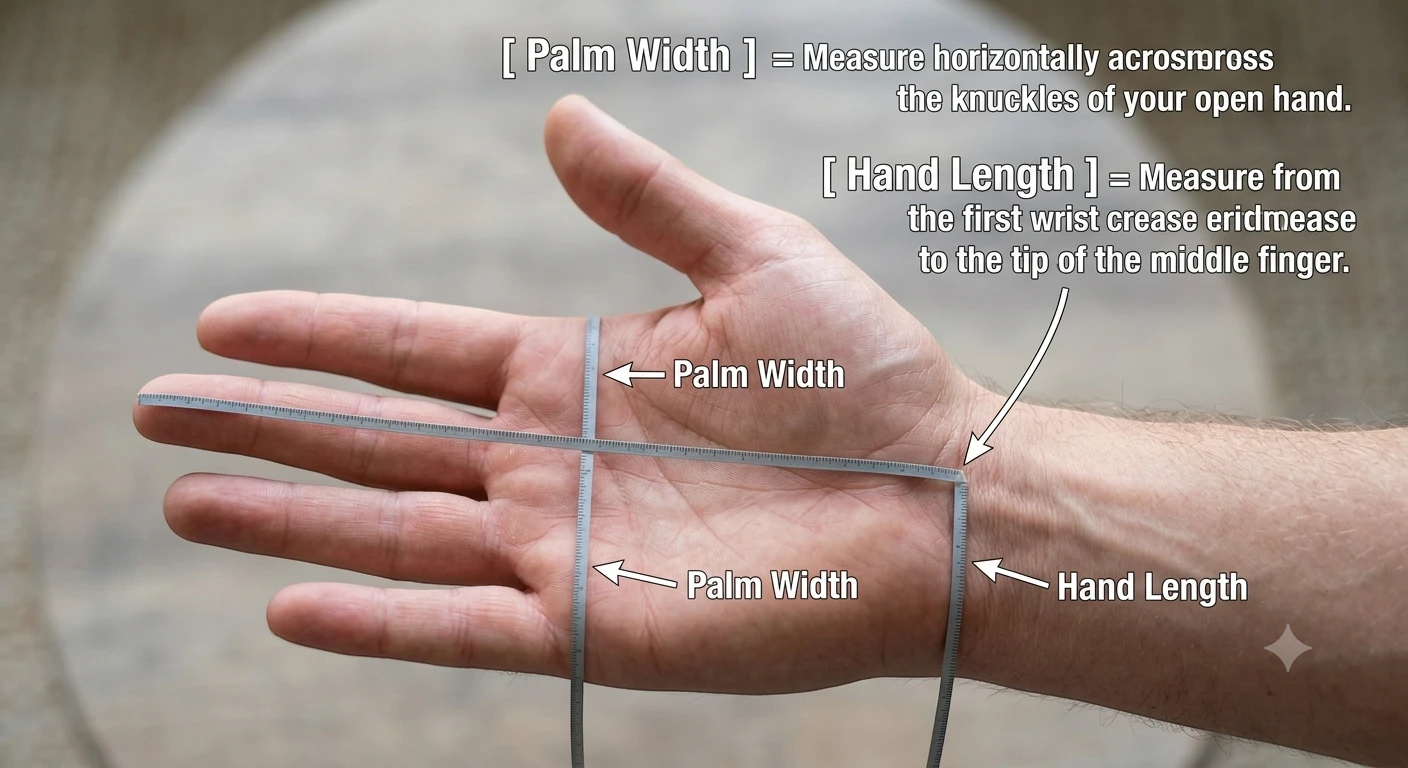
The Sizing Formula: Finding the perfect fit requires measuring from the base of your wrist crease to the tip of your longest finger; a loose glove creates traction lag, while a tight glove risks premature tearing.
Split-Finger vs. Sausage Design: Split-finger options maximize flexibility and hand speed, while traditional sausage-finger designs offer rigid, absolute shield protection against crushing force.
Premium Material Integrity: Premium sheepskin and Pittards leather offer unmatched moisture control and tactile feedback, remaining a superior standard compared to stiff synthetic palms.
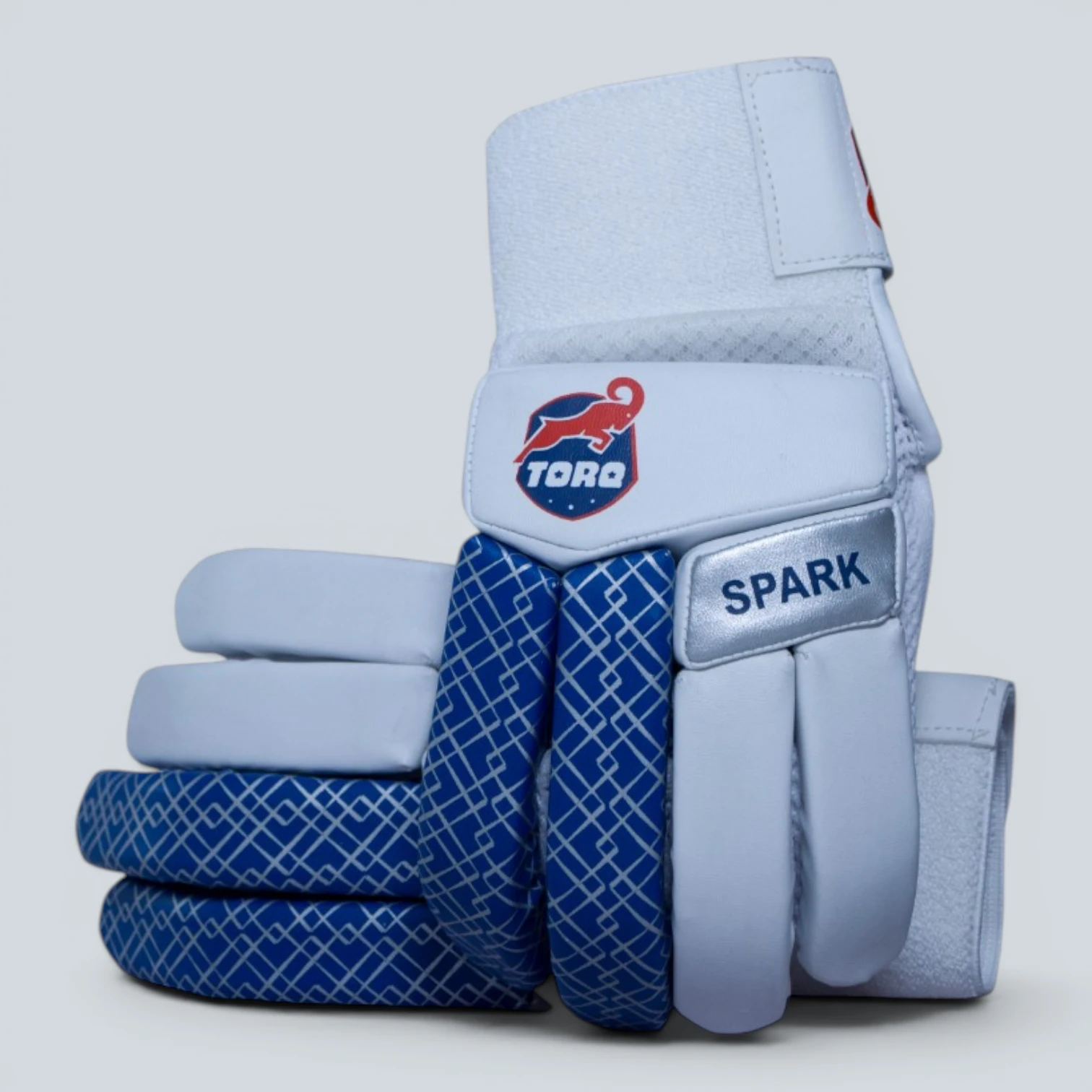
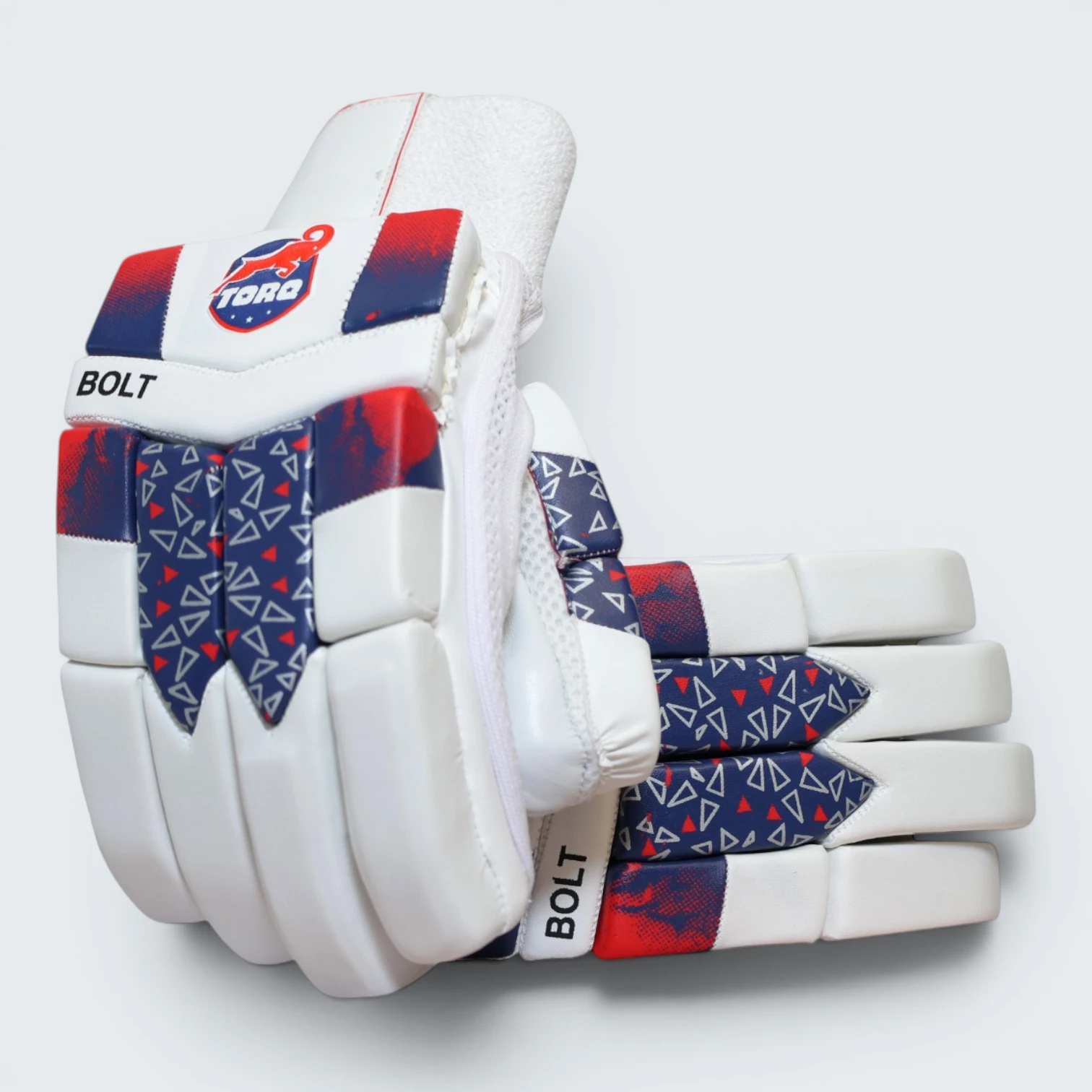
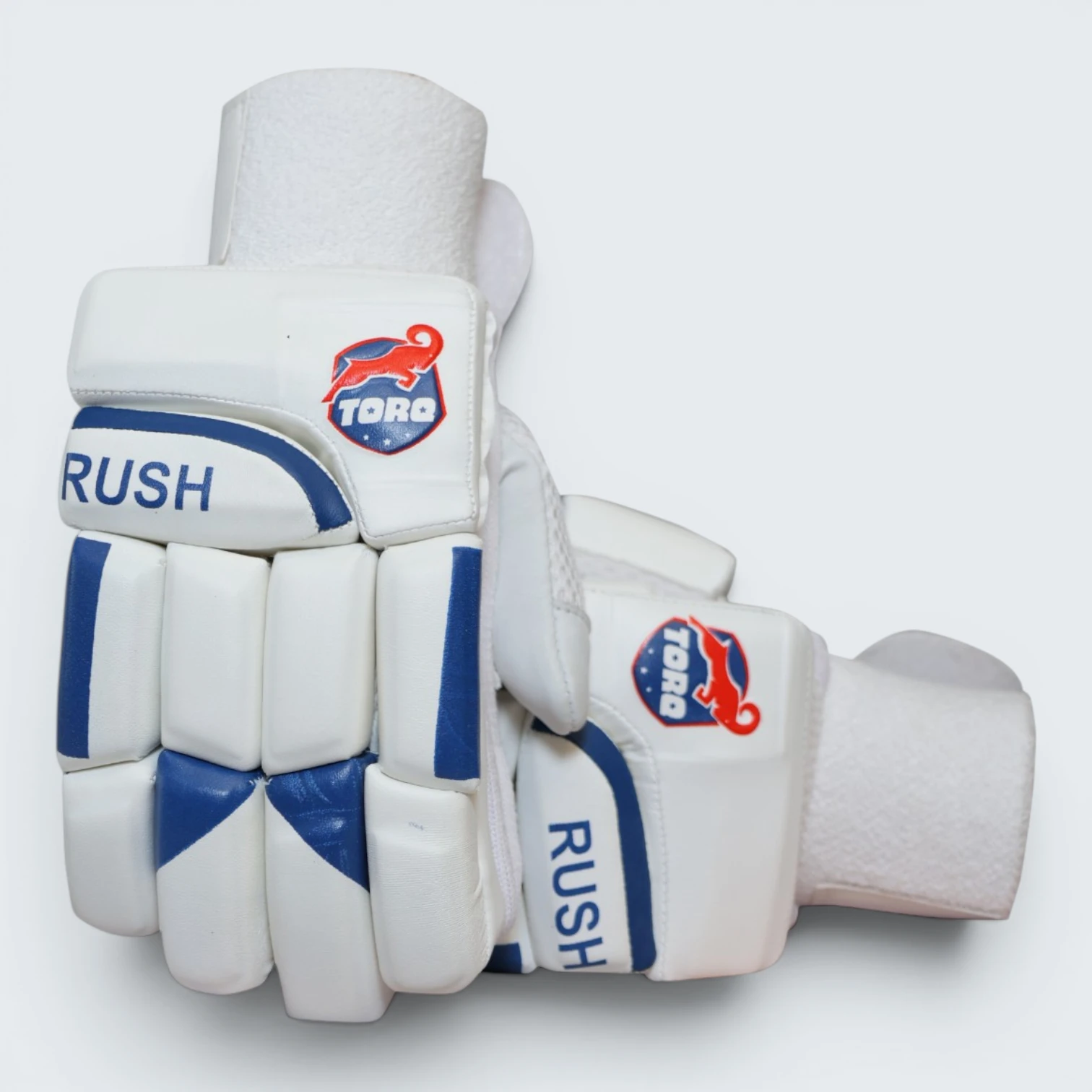
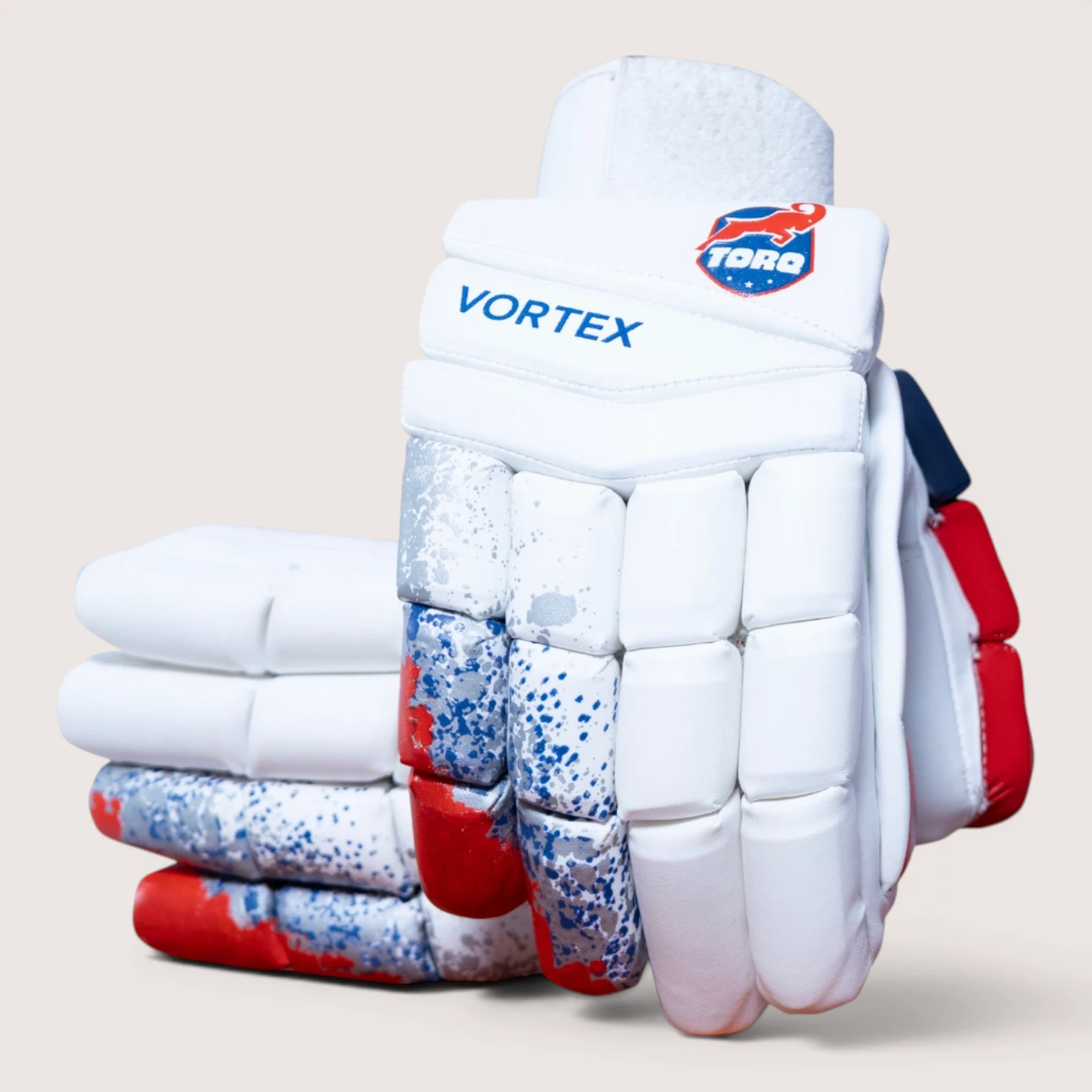
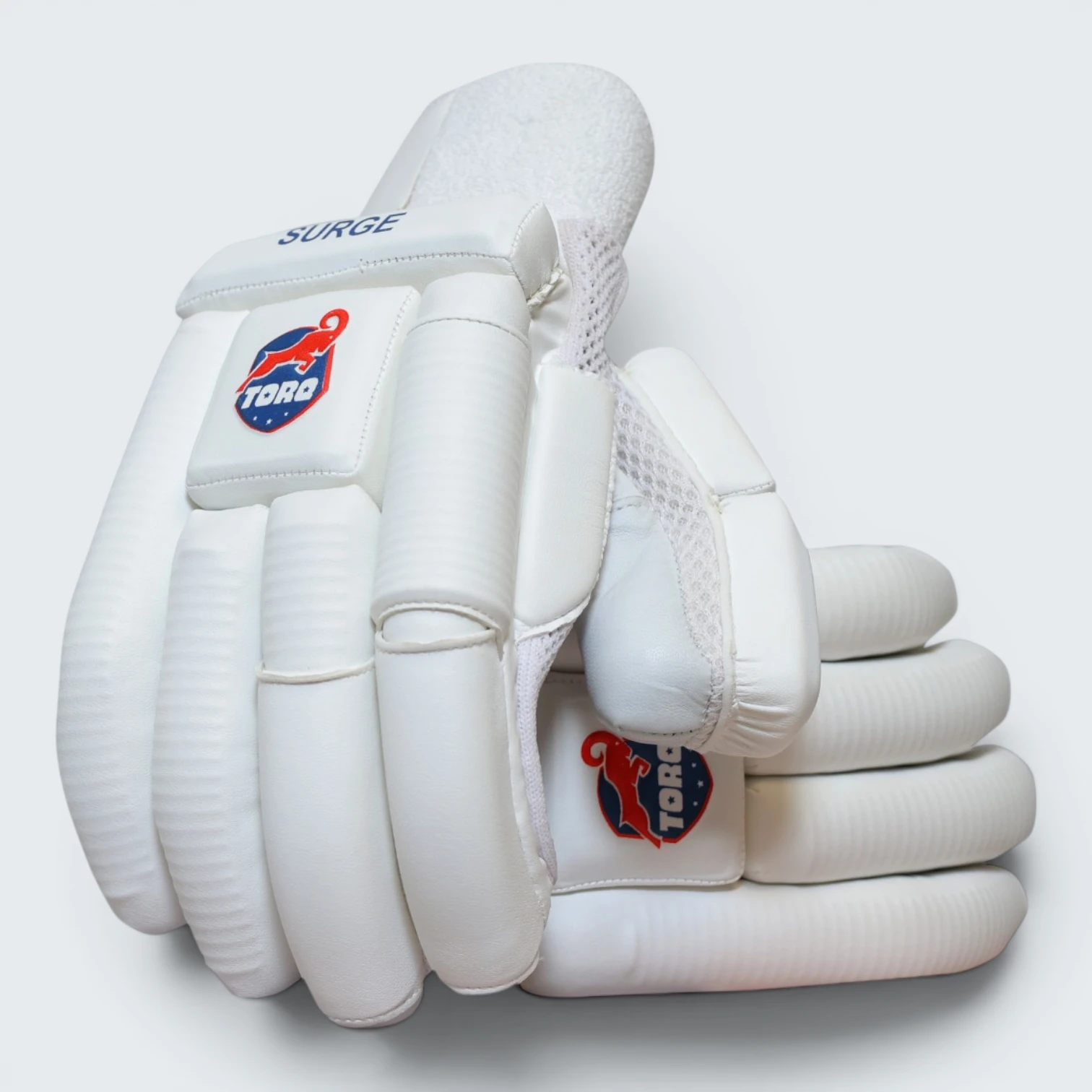
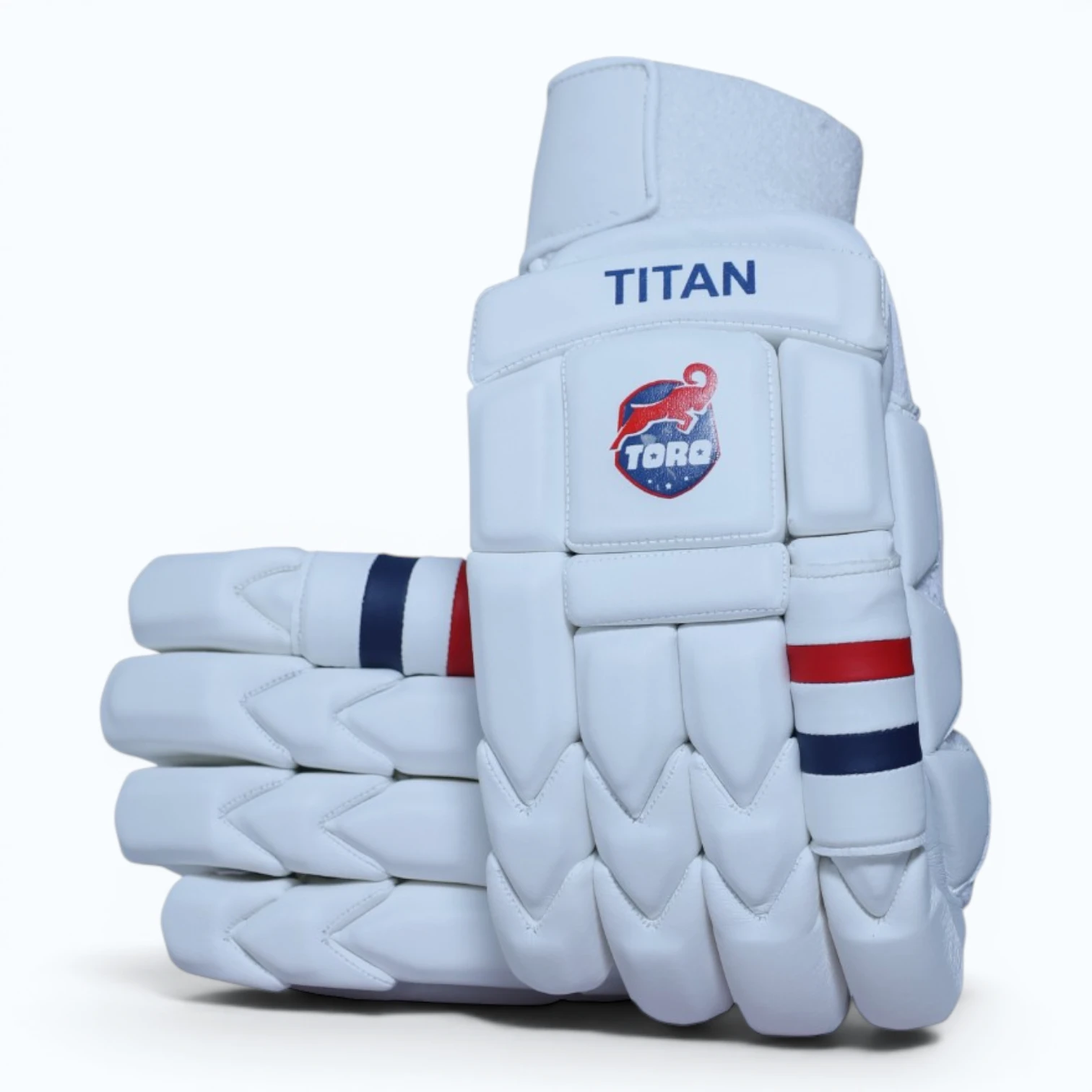
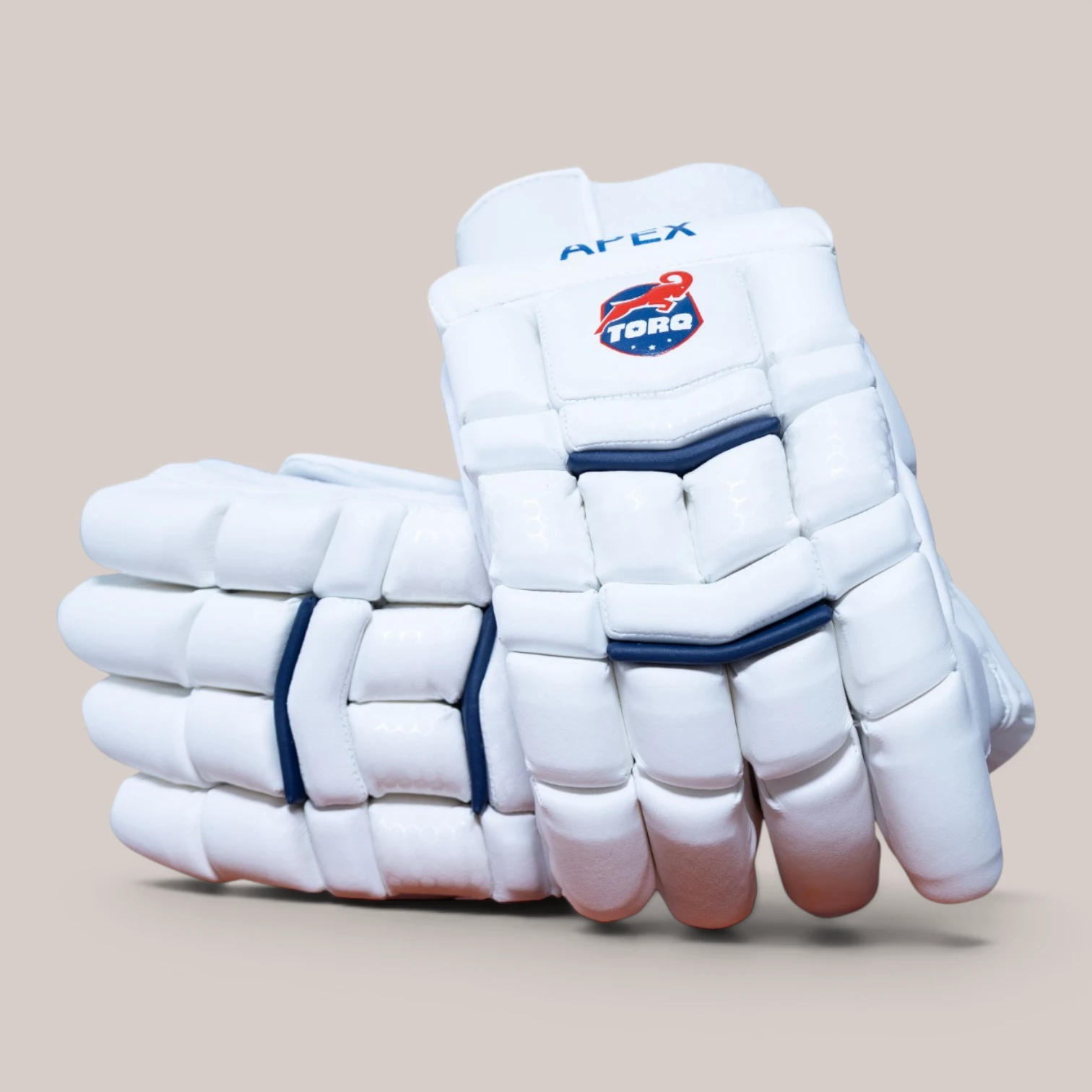
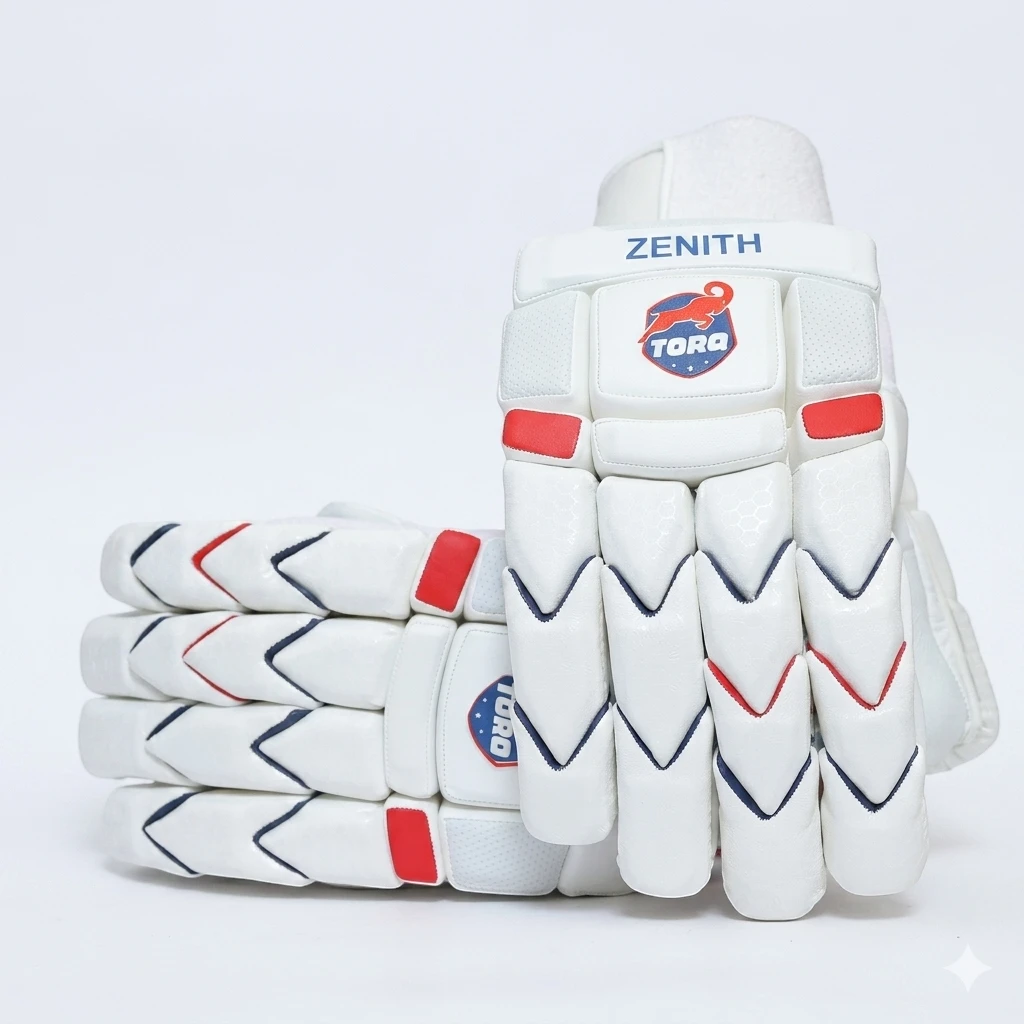
The TORQ Advantage: Every TORQ batting glove is engineered around natural hand ergonomics, blending high-density Poron XRD foam and custom-contoured leather to maximize top-hand leverage and bottom-hand control.
Introduction
Walk into the nets at any high-performance academy, and you will immediately spot the telltale sign of a batsman playing with the wrong gear: the constant adjustment of velcro straps. A player fields a delivery, adjusts their glove, taps the crease, and readjusts the strap again. It is a subtle habit driven by a major flaw—poor equipment fit.
When facing a fast bowler, your hands are your sole point of contact with the blade. If your batting gloves are too bulky, you lose the fine-tuned sensory feedback needed to guide late cuts or change face angles mid-swing. If they are under-protective, a single stray ball to the thumb can instantly sideline your entire season.
Choosing the right equipment isn’t just about picking a design off the shelf; it requires understanding hand anatomy, impact engineering, and textile durability. This definitive guide breaks down the essential factors of sizing, fit, and impact protection to help you select your ideal setup.
1. How to Measure Your Hand for the Perfect Fit
Many players make the mistake of choosing a glove size based purely on height or age. However, correct fit is determined by exact skeletal structure. Buying oversized gloves to “grow into” introduces excess material in the palm, which bunches up, wears down quickly, and creates sliding space inside the casing.
To find your true size, measure your dominant hand using two key metrics:
Standard Sizing Reference Chart
Using your hand length measurement, identify your placement on the standard sizing continuum:
SBO / Boys: 15.5 cm – 16.5 cm
Youth: 16.5 cm – 17.5 cm
Small Adult: 17.5 cm – 18.5 cm
Adult: 18.5 cm – 19.5 cm
Large Adult: 19.5 cm +
The Ergonomic Checklist: When trying on a glove, secure the wrist strap comfortably. Fully extend your hand; the fabric across the back should feel taut but not tight. Clench your hand into a tight fist as if gripping a bat. If the leather bunching in your palm forces your fingers open, or if your fingertips rub hard against the seams, the sizing is incorrect.
2. The Anatomy of Protection: Structural Frameworks
Batting glove design is split into two primary structural formats, each favoring a distinct style of play:
A. Split-Finger (Multi-Flex) Geometry
Slashed with ergonomic joints across every knuckle, split-finger configurations split protective armor into independent multi-flex nodes.
The Benefit: Maximum flexibility. The glove contours seamlessly around the handle, reducing hand fatigue and maximizing wrist roll during sweep shots or horizontal bat strokes.
Best For: Creative stroke-makers and short-form players who prioritize rapid hand speed and flexible control.
B. Sausage-Finger (Traditional Block) Geometry
Utilizing continuous, un-jointed rolls of high-density foam along the length of the fingers, traditional designs offer a uniform shield.
The Benefit: Uncompromising armor. Because there are fewer breaks between padding blocks, there are fewer vulnerability gaps for a ball to exploit on impact.
Best For: Top-order technical batsmen facing high-velocity opening spells on fast, bouncy decks.
The Hybrid Innovation
Modern designs frequently utilize a hybrid structure. This layout uses split-finger nodes on the bottom-hand fingers to maintain flexible wrist movement, while applying solid block sausage protection to the lead fingers and exposed thumbs of the top hand to shield against direct impact.
3. Shock Absorption and Material Science
A premium glove must dissipate force rather than simply blocking it. Raw impact energy needs to be spread across a wide surface area to prevent localized skeletal damage. High-performance gloves achieve this through a specialized multi-layered defense system:
At the core of this engineering is the use of high-density foams combined with smart materials like Poron XRD. Under normal conditions, these materials are soft and flexible, but they instantly lock rigid upon sudden impact to absorb up to 90% of kinetic energy before it reaches your hand.
The Critically Vulnerable Zone: The Side-Bar Protection
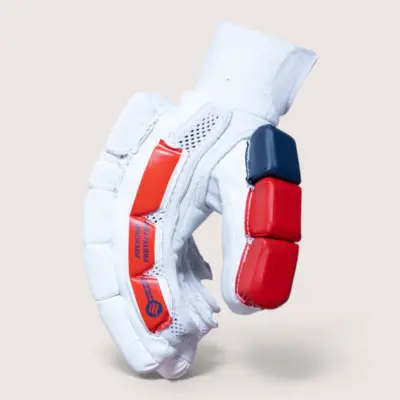
A primary indicator of a premium glove is the inclusion of a reinforced side-bar shield on the index finger of the bottom hand and the outside edge of the top hand. When playing a pull shot or navigating a bouncing delivery, your hands roll over, exposing these side panels directly to the line of fire. Ensure your chosen gear features multi-segment bolster bars along these specific exposure lines.
4. Tactile Feel and Palm Engineering
While the back of the hand handles defense, the palm manages execution. Cheap synthetic leathers stiffen, crack, and turn slippery after coming into contact with sweat. Elite gear relies on premium, natural skins:
Premium Sheepskin: Provides an ultra-soft feel and excellent natural stretch, allowing for immediate comfort without requiring a break-in period.
Pittards Leather: An elite, treated leather designed to retain its grip and pliability even when exposed to heavy perspiration.
Moisture and Ventilation Dynamics
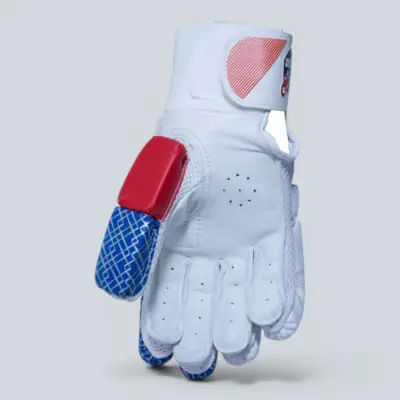
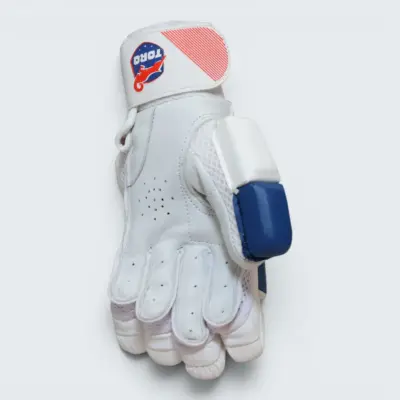
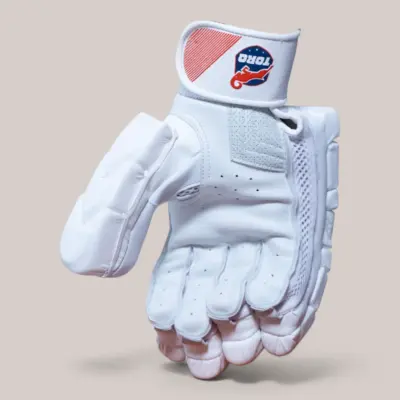
When your hands sweat, traction drops and the blade can twisting in your grip. Look for setups that incorporate double-sided towelling wristbands, breathable air-mesh gussets between the fingers, and dedicated palm perforation holes to ensure steady airflow during prolonged stays at the crease.
“A batsman’s grip dictates their entire canvas of stroke-play. The moment a player uses a batting glove that is poorly sized or excessively rigid, they sub-consciously tighten their grip forearm muscles to compensate. This tension locks up the wrists and slows down hand speed. True protection shouldn’t feel like a suit of heavy armor—it should act like a natural, responsive extension of your hand.”
— Mr. Tarun Goyal, Cricket Coach, Jaipur
Conclusion
Your batting gloves are far more than a basic safety requirement; they are a critical point of performance translation. Finding the perfect pair requires balancing accurate hand measurement, choosing a finger geometry that matches your style of play, and ensuring high-quality impact materials protect your hands.
By investing in an ergonomically tailored, high-performance option like the TORQ Range, you eliminate shifting gear distractions and safeguard your hands against impact. This lets you focus entirely on your game, allowing you to watch the ball, trust your protection, and time your shots perfectly.
Frequently Asked Questions (FAQs)
Never leave wet gloves packed inside a dark, unzipped kit bag after a match. Air-dry them naturally at room temperature away from direct sunlight or heaters, which dry out natural oils and crack the leather. Gently brush the palms with a dry towel after use to remove excess salt from sweat.
Because left and right-handed batsmen expose different sides of their hands to the bowler, the placement of the reinforced thumb shields and side-bar bolsters is mirrored. Always make sure to purchase the specific hand orientation that matches your batting stance.
You should look to upgrade your gear the moment the foam inside the fingers begins to break down and soften, or if the palm leather wears thin and develops holes. For regular club players, a premium pair typically provides top-tier protection and performance for one to two full seasons.