Key Takeaways
The Aesthetics Trap: A high grain count undoubtedly makes a cricket bat look stunning; nevertheless, cosmetic straightness does not guarantee elite on-field performance.
The Ping Test Rules Supreme: Crucially, the ultimate indicator of a bat’s power and responsiveness is its “ping” —that is to say, the rebound dynamic generated when a ball or mallet strikes the face.
Grain Count Dynamics: In terms of longevity, lower grain counts (5–6 grains) offer long-term durability and structural density. Conversely, higher grain counts (10+ grains) ignite immediate performance but feature a shorter lifespan.
The Craftsmanship Factor: Ultimately, cell density, pressing pressure, moisture seasoning, and overall balance matter vastly more than visual lines.
The TORQ Synergy: Accordingly, a premium bat requires an intentional blend of hand-selected willow, custom pressing, and structural integrity tailored to a batsman’s unique playing profile.
Introduction
Walk into any high-end cricket academy, and you will witness an identical ritual. Typically, a young, aspiring player approaches a wall of pristine English willow, pulls a blade from the shelf, and counts the lines. “Seven, eight, nine… ten! Look how straight these lines are!”
For decades, cricket consumer culture has trained players and parents to believe a simple equation: more straight grains automatically equals a better cricket bat. As a result, we chase the immaculate cosmetic allure of a Grade 1+ cleft , falsely thinking that visual uniformity seamlessly translates into towering sixes over long-on.
But it is time for a reality check.
In the modern era of explosive T20 cricket and dynamic, high-impact strokeplay, choosing a cricket bat based purely on its “good looks” is a costly mistake. Indeed, if you buy a bat solely for its flawless, straight timber lines, you are shopping for a piece of furniture, not an elite sports weapon. Therefore, to separate the showpieces from the genuine performers, you must master the ultimate showdown in willow selection: The Ping Test vs. The Grain Count. Consequently, here is why your next cricket bat needs to be selected based on science, physics, and feel—not just a flawless aesthetic.
The Anatomy of Willow: What Do Grains Actually Mean?
Before we pit these two selection criteria against each other, we need to understand what a grain truly represents.
The Science of Tree Growth
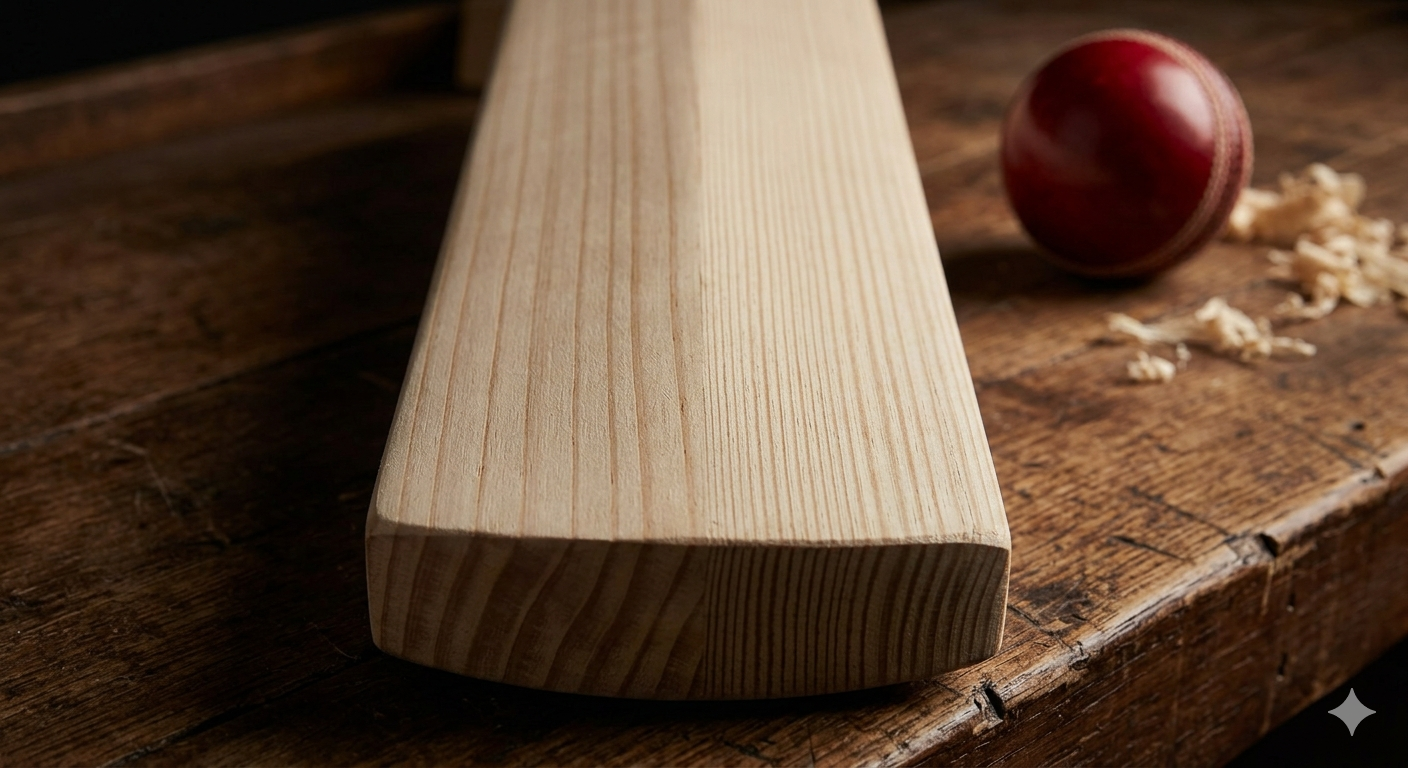
Grains are the vertical lines running down the face of a cricket bat. Biochemically speaking, each line represents one annual growth ring of the Salix alba caerulea (English Willow) tree.
Narrow, closely spaced grains (10 to 12+ grains) mean the willow tree grew slowly in cooler, denser forest environments.
Wide, spacious grains (4 to 6 grains) signify rapid growth, usually occurring during warmer, moisture-rich seasons.
The Myth of Grade and Performance
A common misconception is that a high grain count automatically yields a higher performance tier. In reality, cricket bat grading is primarily an aesthetic assessment. For instance, a Grade 1 cleft is designated as such because it is visually pristine—unblemished by knots, specks, or butterfly stains, featuring straight, evenly spaced lines. In contrast, lower grades (Grade 3 or 4) are functionally identical in terms of raw organic material, although they may contain visual colouration or wavy grain paths.
Ultimately, aesthetics do not dictate spring. To illustrate, a flawless-looking bat can feel entirely dead upon impact, while a scarred, 5-grain “ugly duckling” can possess a trampoline-like responsiveness that sends the ball flying.
The Grain Count Dilemma: Performance vs. Longevity
When analyzing grain count, you aren’t just choosing a specific look; instead, you are negotiating a direct trade-off between instantaneous peak performance and structural durability.
High Grain Counts (9 to 12+ Grains)
Bats boasting double-digit grain counts are carved from older, more mature, and denser sections of willow. Because the fibers are tightly packed, the wood feels distinctly firmer.
The Pros: These bats reach their performance peak almost immediately. Furthermore, they require minimal knocking-in time because the timber is already highly compressed and structurally rigid.
The Cons: However, tightly packed fibers are inherently more brittle. As a consequence, high-grain bats are more susceptible to surface cracking, toe damage, and premature structural fatigue. In short, they are high-octane racing cars—unmatched in speed but requiring delicate handling and offering a shorter lifespan.
Low Grain Counts (5 to 7 Grains)
Conversely, bats displaying wider, fewer grains are constructed from younger, more flexible willow sections.
The Pros: Because of this youth, the open fiber structure provides immense natural elasticity and shock absorption. Consequently, these bats are incredibly durable, resilient against high-velocity impacts, and feature a significantly longer playing life.
The Cons: Nevertheless, they are “slow burners”. This means a 5-grain bat possesses soft wood that requires extensive, disciplined knocking-in with a heavy leather mallet to compress the fibers safely. Subsequently, it may take weeks of net practice before the blade opens up and achieves its maximum rebound potential.
Why the “Ping Test” is the Ultimate Truth
If the grain count provides a structural blueprint, the Ping Test delivers the ultimate performance verdict. Specifically, “ping” describes the rebound velocity, acoustic frequency, and physical feedback generated when a cricket ball makes impact with the blade.
The Tool of the Trade
To evaluate this, true bat connoisseurs do not rely on eyes; rather, they rely strictly on ears and hands. By bouncing a high-quality leather match ball or striking the blade with a specialized hardwood bat mallet, you test the willow’s internal energy transfer.
What to Listen and Feel For
The Crisp, Metallic “Tink”: When a bat is pressed to absolute perfection, a ball striking the sweet spot produces a clean, high-pitched acoustic ring. On the contrary, a dull, thudding sound indicates that the willow is either under-pressed (too soft, losing energy) or over-pressed (turned to concrete, lacking spring).
The Rebound Velocity: Moreover, a high-performing bat requires minimal physical effort to send the ball skyrocketing. During a ping test, the ball should effortlessly spring off the face, defying gravity with explosive elasticity.
Vibration Dissipation: Finally, hold the handle lightly with your top hand while testing the ping. If intense shockwaves rattle up the spine into your knuckles, the bat lacks balance and uniform fiber density. Alternatively, a premium blade absorbs the impact entirely at the sweet spot, leaving your hands perfectly still.
The Crucial Interplay: Craftsmanship & Pressing
Undeniably, the ultimate bridge between grain count and ping is the manufacturer’s pressing process. Willow in its raw state is completely unusable; after all, it is soft, spongy, and would shatter upon hitting a 5.5-ounce cricket ball.
To resolve this, bat makers utilize heavy industrial rollers to apply thousands of pounds of pressure per square inch (PSI) to the cleft , thereby compacting the surface fibers to form a hard, resilient shell while retaining an elastic core.
Crucially, an expert craftsman alters the pressing depth based on the specific cleft’s grain characteristics. For example, they might press a wide-grained piece of willow slightly harder to accelerate its readiness. Meanwhile, they will handle a delicate 12-grain piece with immense precision to avoid crushing its brittle structure. Therefore, the name on the willow and the expertise of the pressing process matter infinitely more than the raw number of lines on the face.
“In our workshops, we see thousands of clefts a year, and I can tell you unequivocally: the ball does not care what the bat looks like. A straight grain count satisfies a player’s eyes, but an elite ping satisfies their scorecard. Look for balance, feel the pickup, and trust the sound of the ping over the cosmetic perfection of the wood every single time.”
— Mr. Dinesh Tyagi, TORQ Master Craftsman & Gear Stylist, Meerut, UP, In
Conclusion
When it is time to invest in your next cricket weapon, strip away the cosmetic bias. Do not let a perfectly uniform 10-grain face blind you to a dead sweet spot or an incredibly clumsy balance profile. Conversely, do not discount a robust 6-grain blade that sings beautifully when struck with a mallet.
The perfect cricket bat is a harmonious marriage of physics and intuition. Prioritize how the bat picks up in your stance, analyze how the energy transfers through the spine, and demand a crisp, lively ping. After all, when you are facing a fiery opening bowler delivering a new leather ball at maximum velocity, it’s the explosive rebound of your willow—not its pretty lines—that will clear the boundary ropes.
FAQs
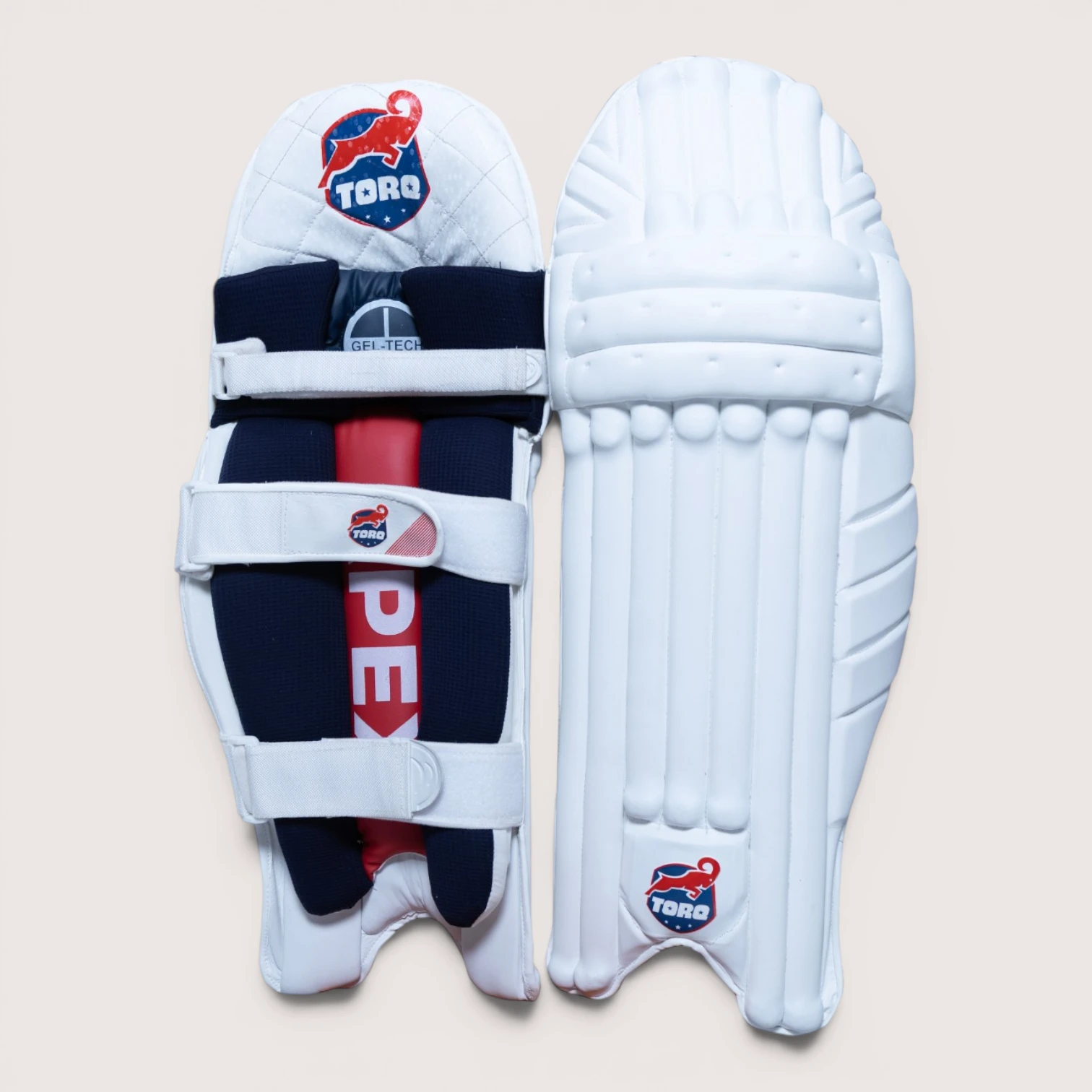
Apex Edition | Batting Leg Guards
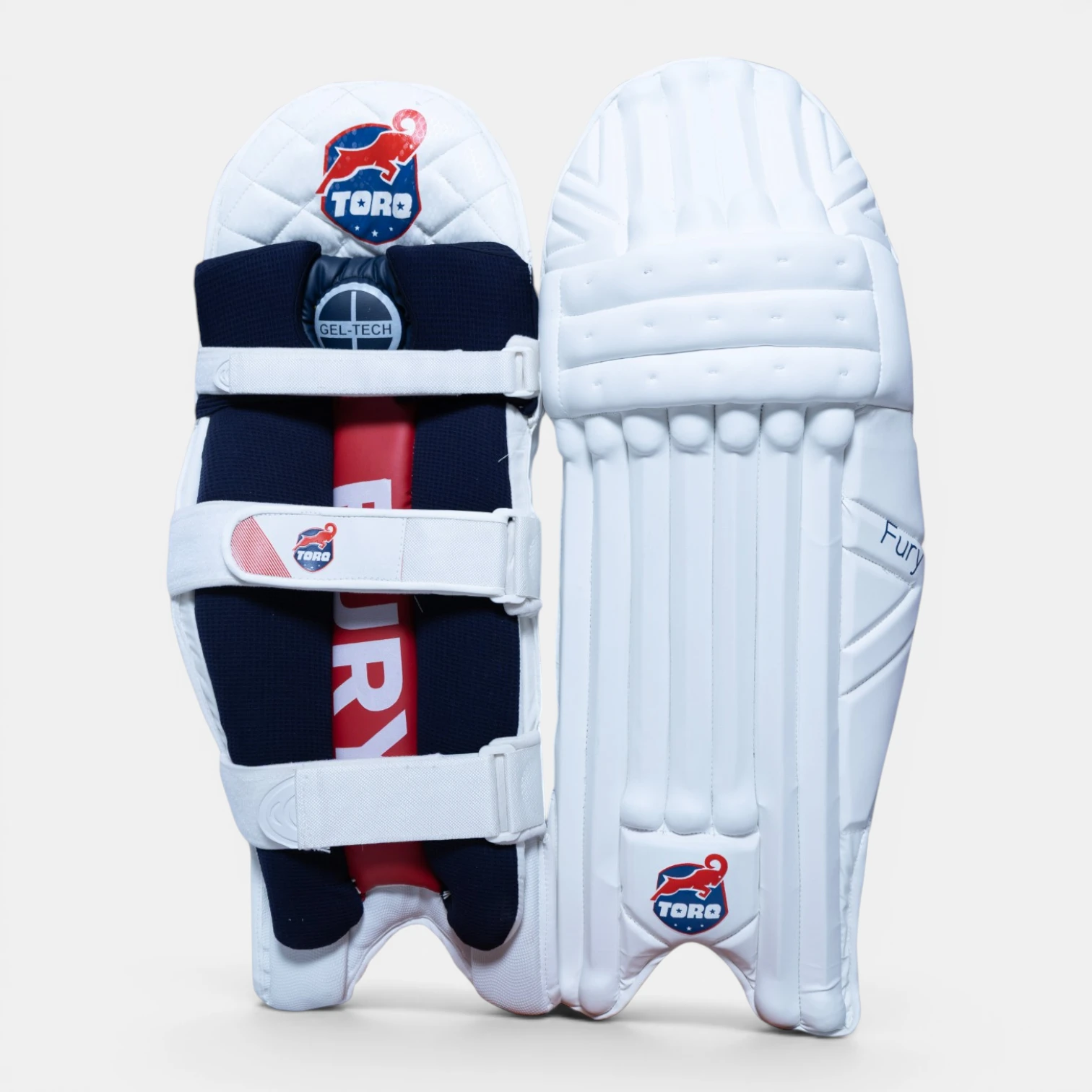
₹6,930.00₹5,999.00Fury Edition | Batting Leg Guards
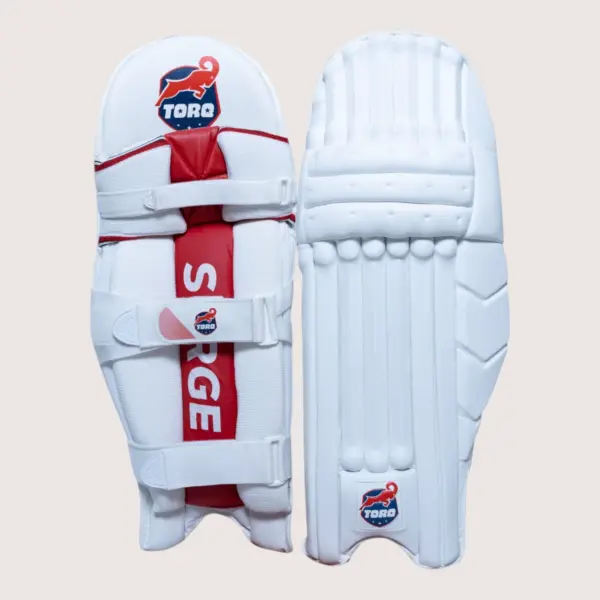
₹6,237.00₹5,799.00Surge Edition | Batting Leg Guards
₹5,215.00₹4,540.00
 Hot Sale 18% Off-18%
-
Hot Sale 25% Off-25%
-
Hot Sale 10% Off-10%
-
Hot Sale 5% Off-5%
-
Hot Sale 8% Off-8%
-
Hot Sale 10% Off-10%
-
Hot Sale 8% Off-8%
-
Hot Sale 13% Off-13%